


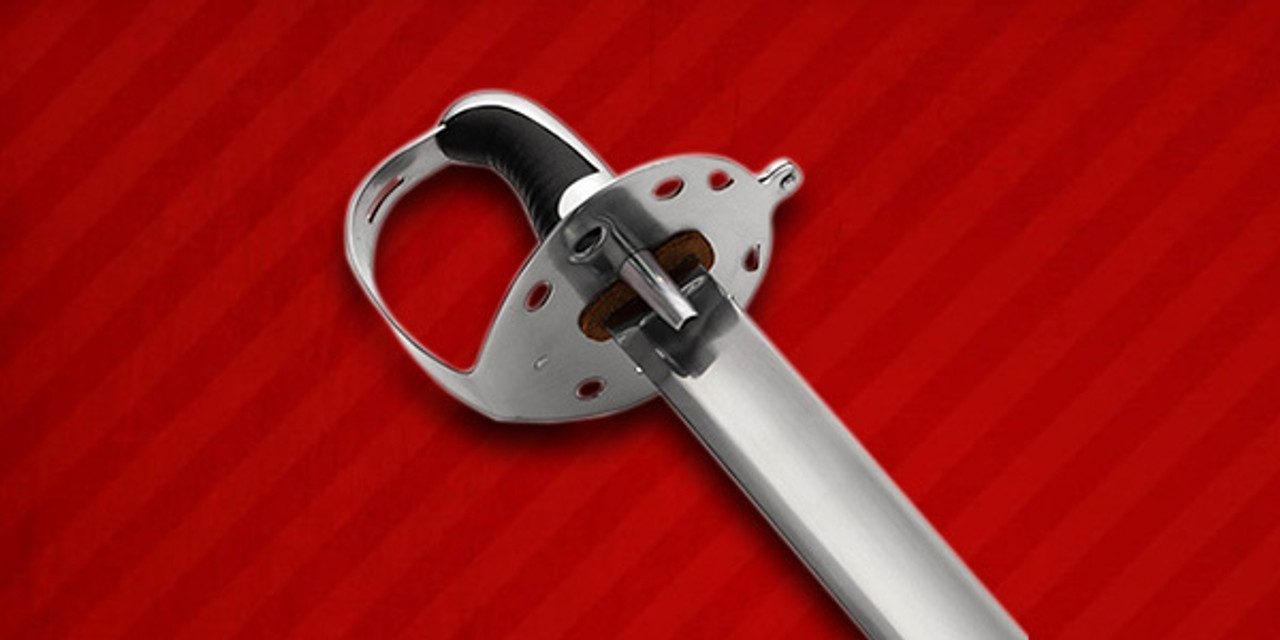
Napoleonic Era
The Napoleonic era was relatively short, starting in 1799 and ending in 1815 with the Battle of Waterloo.
Napoleon Bonaparte was born in 1769. He was serving in the army when the French Revolution started in 1789 and quickly rose to general. In 1799, he led a coup d'état, seizing power and establishing the French Consulate. In 1804 he declared himself Emperor and set out to conquer Europe.
Over the next ten years, his armies acquired control of most of continental Europe by conquest or alliance. The ill-fated invasion of Russia in 1812 was a turning point. Napoleon abdicated the throne in 1814 and was sent to exile on the island of Elba. The next year, he escaped from Elba and briefly returned to power. This was known as the Hundred Days Campaign, which ended with Napoleon's defeat at the Battle of Waterloo in June 1815. He was then exiled to the remote island of St. Helena in the South Atlantic, where he died in 1821. He was 51 years old.
The Era That Made War Modern
The Napoleonic wars ran on discipline as much as gunpowder, entire armies drilled to march, load, and fire as a single machine, and the officers who led them carried a sword as much for command as combat. Cavalry sabers still decided a charge. Infantry officers still wore a blade that marked rank across a battlefield increasingly dominated by musket volleys and cannon fire. It is the last era where the sword and the rifle shared the field as genuine equals.
Our Napoleonic era collection covers the sabers, swords, and accoutrements carried by the armies that fought across a continent, from cavalry patterns to the officer's swords that marked a command.
Frequently Asked Questions
Did officers actually fight with swords during the Napoleonic wars?
Regularly, particularly cavalry officers, whose sabers remained genuine combat weapons in a mounted charge. Infantry officers carried swords more as a mark of rank and for close defense, since the musket had become the infantry's primary weapon by this point.
What made Napoleonic cavalry sabers distinct?
Curve and length, tuned for a slashing cut delivered at a gallop, with different national patterns, French, British, Prussian, varying in blade curve and hilt design while serving the same mounted role.
What other gear did a Napoleonic officer carry?
Beyond the sword, a proper kit included a scabbard and belt, often a sash denoting rank, and depending on branch, a pistol as backup to the blade.
Are these Napoleonic swords built to historical pattern?
Built to be. Blade curve, hilt style, and proportions follow the patterns actually issued to the armies of the period, not a generalized modern take on them.
Where can I buy an authentic Napoleonic era sword?
Right here. Our Napoleonic era collection covers cavalry sabers and officer's swords built to historical pattern.