


Battle Axes: Viking Fury
Mar 7th 2025
Battle Axes: Viking Fury
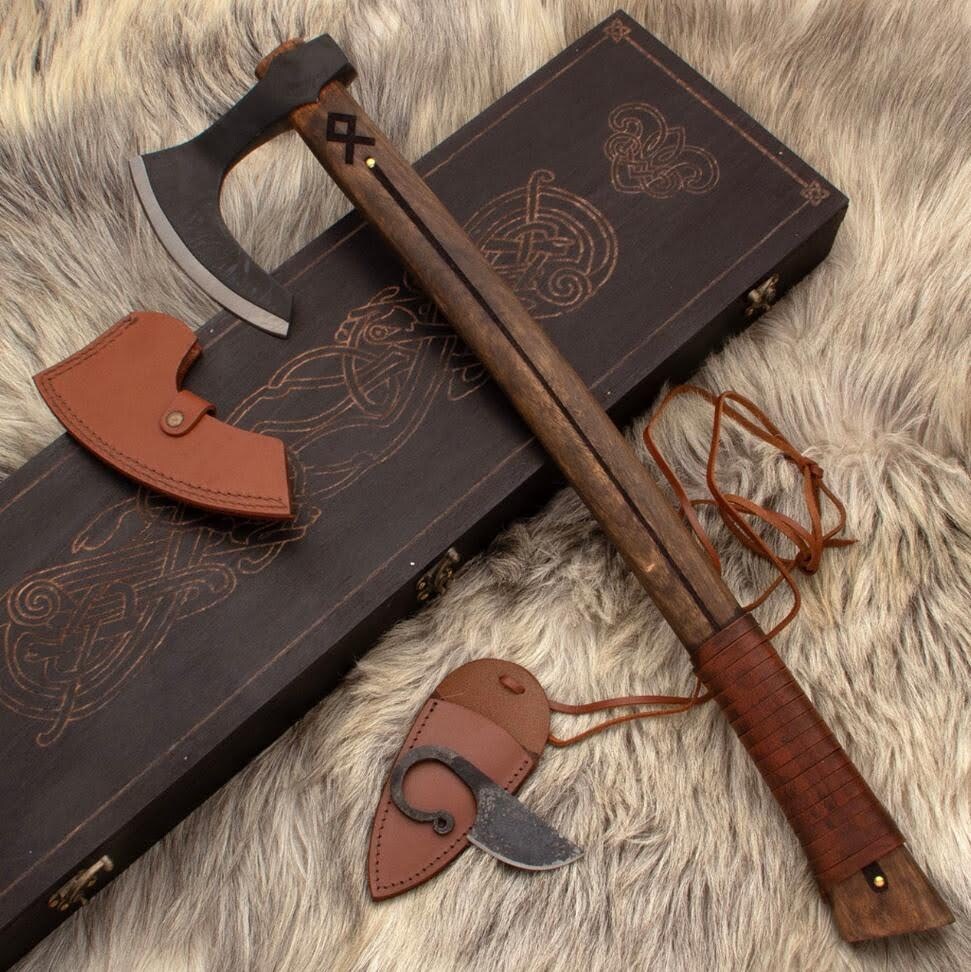
When we think of the Vikings, images of fierce warriors wielding fearsome weapons come to mind, and no Viking weapon may be more iconic than the Battle Axe. These tools of war were not just instruments of destruction, but symbols of power, skill, and Viking ingenuity. From the rugged fjords of Scandinavia to the battlefields of Europe, the Viking Battle Axe carved its way into history.
In this exploration, we’ll dive into the origins of these legendary weapons, how they were crafted, their evolution over time, their starring role in modern entertainment, and why collectors today are drawn to their timeless allure. By the end, you’ll be ready to seek out your own piece of Viking fury.
The History of Vikings and Their Axes
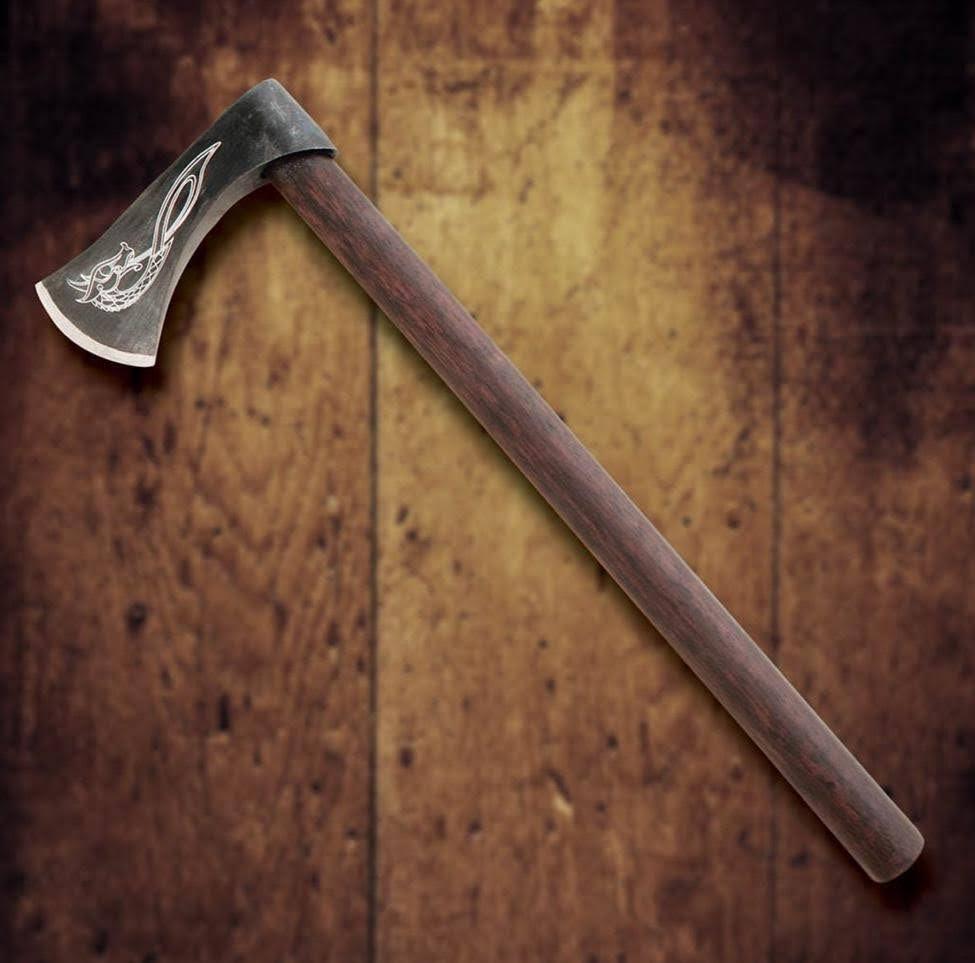
The Maces Vikings, seafaring Norse people from modern-day Denmark, Norway, and Sweden, dominated the European stage from roughly the late 8th to the early 11th century. Known for their raids, exploration, and trading prowess, they left an indelible mark on history. Central to their success in battle was their weaponry, with the Battle Axe standing out as a favorite.
Axes were already a staple in Viking daily life, used for chopping wood, building ships, and farming. It was a natural progression for these tools to become weapons of war. The Viking Battle Axe, often called a "Dane Axe" in later periods, was lightweight yet deadly, designed for both slashing and thrusting. Unlike swords, which required more resources and skill to craft, axes were accessible to a broader range of warriors, from humble farmers to elite chieftains.
Historical records, such as the Anglo-Saxon Chronicle, recount Viking raids with vivid detail. In 991 AD, at the Battle of Maldon, Viking warriors wielded axes to devastating effect against Anglo-Saxon forces. The axe’s versatility, able to cleave shields, armor, and flesh, made it a feared weapon. Archaeological finds, like those at the Viking burial site in Repton, England, have unearthed axe heads alongside warrior remains, underscoring their significance in Viking culture.
Forging the Fury: How Viking Axes Were Made

The creation of a Viking battle axe was a testament to Norse blacksmithing skill. These weapons were typically forged from iron, a material abundant in Scandinavia. The process began with smelting iron ore in a furnace, producing a spongy mass of metal called a bloom. This was then hammered and folded repeatedly to remove impurities, creating a strong, workable material.
The axe head’s design varied depending on its purpose. Early Viking axes had simple, wedge-shaped heads for cutting, while later designs, like the Bearded Axe, featured a longer, curved lower edge. This "beard" allowed warriors to hook an opponent’s shield or weapon, pulling it aside for a follow-up strike. The famous Dane Axe, with its broad, thin blade and long haft (handle), emerged in the 10th century, optimized for two-handed use and devastating sweeps.
The haft, usually made from ash or oak, was carefully shaped to balance the weapon. A skilled smith would wedge or rivet the head onto the haft, ensuring it could withstand the rigors of combat. Some axes bore decorative inlays of silver or copper, signaling the status of their owner. While not as ornate as swords, these weapons were practical masterpieces, blending form and function.
Evolution of the Battle Axe
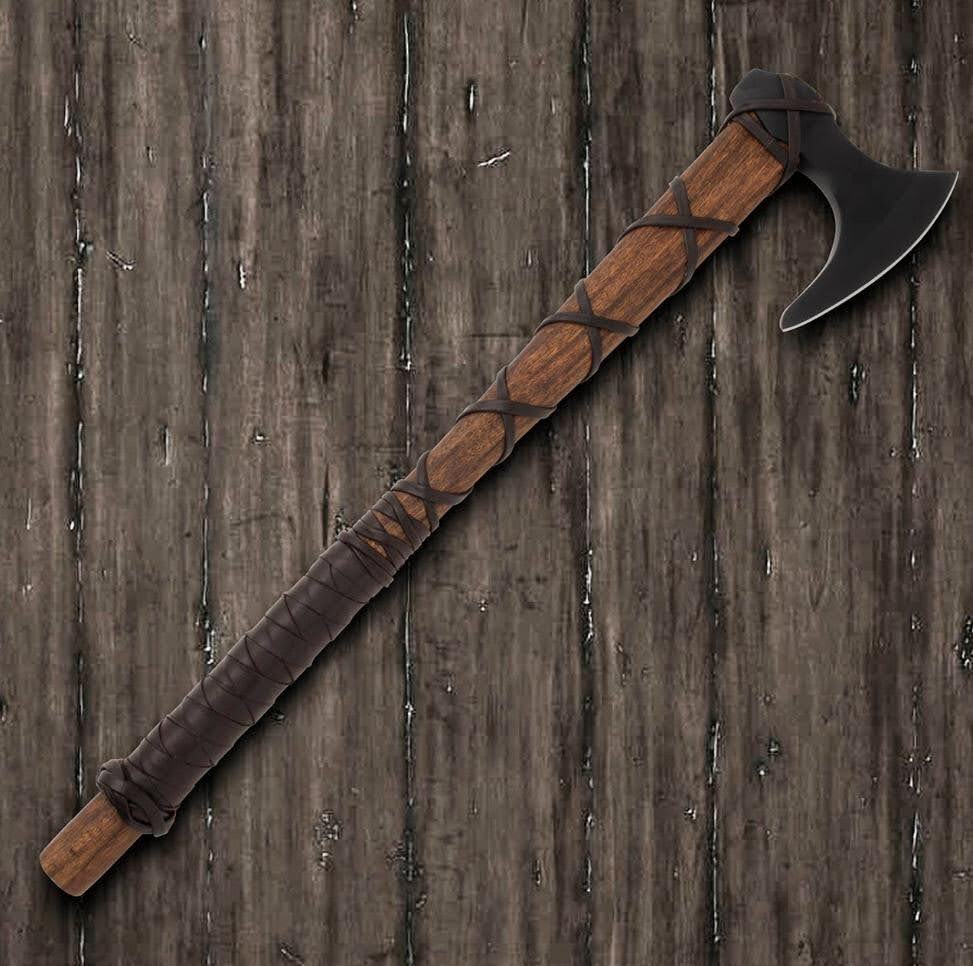 Ragnar’s Axe with Letter Hangar
As the Viking Age waned and medieval Europe progressed, the Battle Axe evolved. The Dane Axe influenced later pole weapons, such as the Medieval War Axe and the Flanged Mace. By the 12th century, knights and foot soldiers adopted heavier, armor-piercing axes to counter the rise of plate armor. The Viking axe’s lightweight, agile design gave way to more specialized forms, though its legacy endured.
In the modern era, the Battle Axe has shifted from a weapon of war to a cultural artifact. Reproductions today often mimic Viking designs, though they’re crafted with modern steel alloys for durability and sharpness. Collectors and reenactors prize these axes not just for their historical roots but for their raw, primal aesthetic, a connection to a time when survival hinged on strength and skill.
From Silver Screen to Virtual Realms

The Viking Battle Axe’s fearsome reputation has made it a star in popular culture. In film, few scenes are as iconic as the axe-wielding warriors in The 13th Warrior (1999), where the weapon’s brutal efficiency is on full display. More recently, The Northman (2022) showcased Viking combat with visceral authenticity, axes clashing against shields in a gritty homage to Norse sagas.
Video games have embraced the axe with equal enthusiasm. In Assassin’s Creed Valhalla (2020), players can wield various Viking axes, from bearded designs to massive Dane Axes, each with unique combat animations. God of War (2018) reimagined the Norse world with Kratos’ Leviathan Axe, a mystical weapon that echoes Viking craftsmanship while adding a supernatural twist. These games don’t just depict the axe—they let players feel its weight and power, cementing its status as a cultural icon.
Tabletop gaming and literature also draw on the axe’s mystique. In Dungeons & Dragons, the Battle Axe is a staple for barbarian characters inspired by Viking lore. Novels like Bernard Cornwell’s The Last Kingdom series weave axes into their narratives, capturing the chaos and glory of Viking warfare. Across these mediums, the battle axe embodies raw, untamed fury, a perfect fit for the Viking legend.
The Modern Draw: Collecting Viking Battle Axes
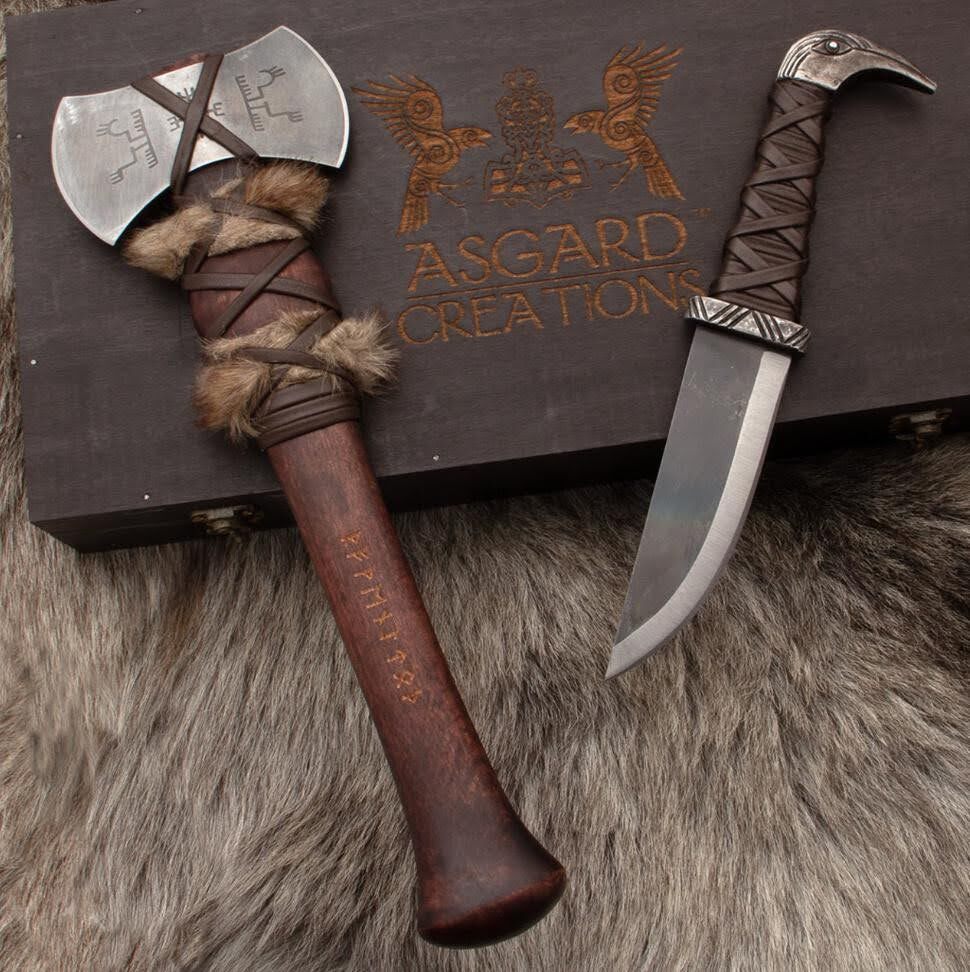 Asgard Creations Viking Axe and Knife Boxed Set
Today, the Viking Battle Axe isn’t just a relic of the past; it’s a coveted collector’s item. What drives this fascination? For some, it’s the tangible link to history. Holding a replica axe forged in the Viking style feels like grasping a piece of the Norse world. For others, it’s the craftsmanship; modern smiths blend traditional techniques with contemporary precision, creating axes that are both functional and beautiful.
Reenactors form a significant part of this community, using axes in staged battles to recreate Viking clashes. Beyond reenactment, collectors display these axes as art, their weathered steel and sturdy hafts evoking a warrior’s spirit.
The rise of Viking-inspired pop culture has fueled this trend. Fans of Vikings or God of War seek out axes to channel their favorite characters, turning fandom into a hands-on hobby. Some even use blacksmithing, forging their axes to connect with Viking traditions.
Prices for Viking-style axes vary widely. Basic replicas start around $50, while high-end, hand-forged pieces can fetch hundreds. Authentic artifacts, when available through auctions, command thousands, though most collectors opt for reproductions to avoid ethical and legal concerns surrounding antiquities. Whether for display, combat practice, or personal satisfaction, owning a Viking battle axe is a way to embrace the past in the present.
Unleash Your Inner Viking
The Viking Battle Axe is more than a weapon; it symbolizes a people who shaped history through courage, craft, and unrelenting spirit. From its origins in the forge fires of Scandinavia to its modern resurgence in entertainment and collecting, the axe’s journey mirrors the enduring legacy of the Vikings themselves. Its evolution reflects humanity’s drive to adapt, while its presence in our stories and homes speaks to a primal draw we can’t resist.
Ready to claim your own piece of Viking fury? Whether you’re a history buff, a gamer, or simply someone who appreciates a well-crafted blade, there’s a battle axe waiting for you. Head over to Museum Replicas, where you’ll find an array of Viking-inspired axes, each one a tribute to the warriors who wielded them. Don’t just read about the fury — hold it in your hands. Your saga starts now.