


Daggers: Evolution of a Weapon
Oct 3rd 2024

Daggers: Evolution of a Weapon
Introduction
Ever wonder how a simple, compact blade evolved into one of the most iconic weapons in history? From ancient rituals to medieval combat, daggers have played significant roles across various cultures for thousands of years. On our blog, we'll journey through time and explore the fascinating evolution of the dagger.
Historical Overview
Origins
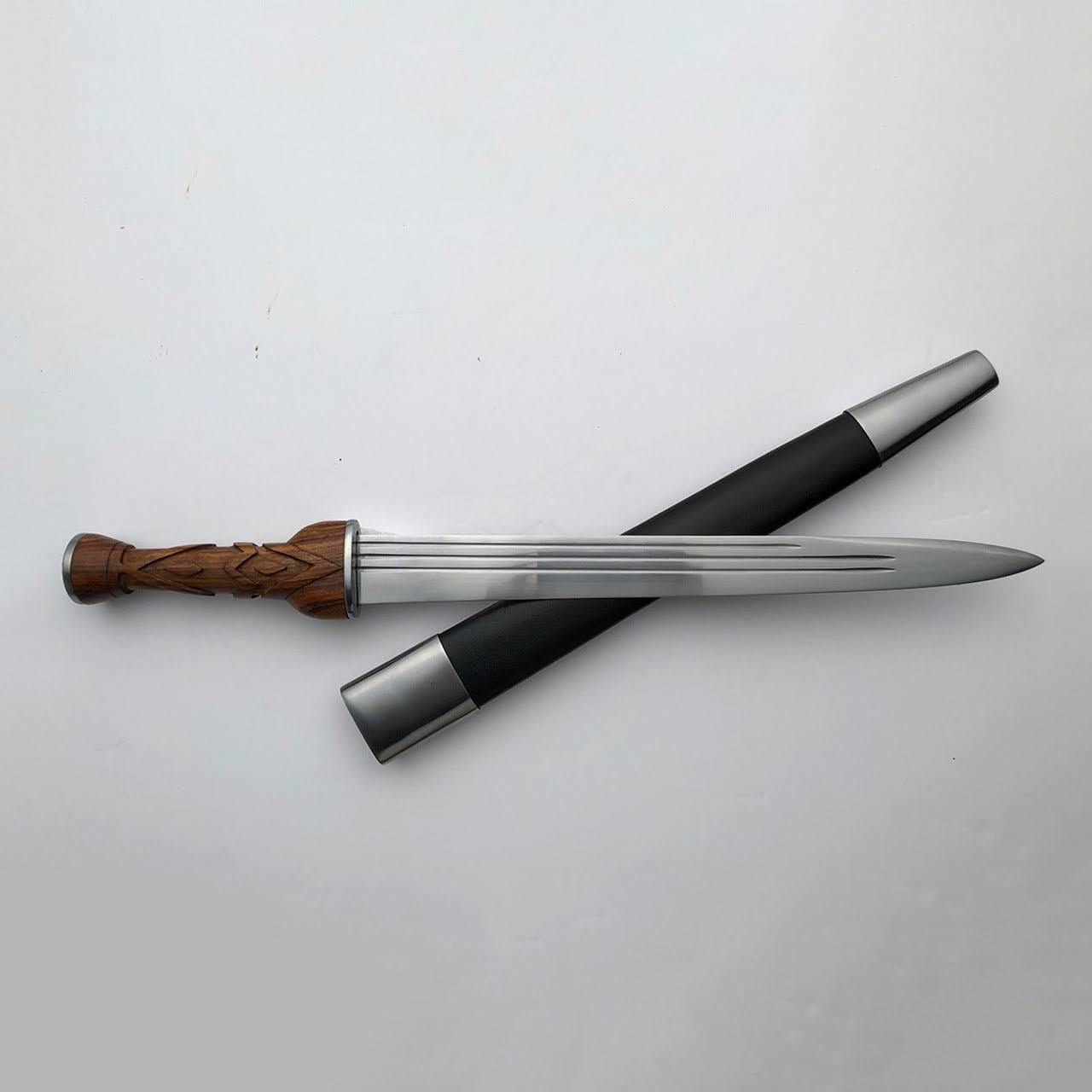
The dagger's origins trace back to the early Bronze Age, around 3000 BCE , making it one of the oldest known weapons in human history. Early versions of daggers were crafted from bone, flint, and eventually, metal as civilizations advanced in metallurgy. Their compact size and double-edged blade made them ideal for close combat and utility work, solidifying their presence across various cultures.
Cultural Impact
Daggers were revered for their versatility and often held deep symbolic meanings. In Ancient Egypt, they were buried alongside pharaohs to protect them in the afterlife . In Rome, they were used by soldiers and for political purposes—famously, Julius Caesar was assassinated by daggers. In medieval Europe, knights carried them as sidearms, using them in battle when swords were too cumbersome.
Notable Uses
Daggers have left their mark on significant historical events. The assassination of Julius Caesar in 44 BCE is one of the most infamous moments in Roman history, with Brutus and other conspirators wielding daggers to carry out their plot. During the Middle Ages, daggers became crucial weapons for knights and soldiers in both combat and ceremonial practices, such as during the dubbing of a knight.
Design and Characteristics

Description
A dagger is characterized by its short blade, typically 6 to 12 inches, and pointed tip designed for thrusting . Its double-edged blade makes it unique, allowing for both stabbing and slashing actions. The handle or hilt is often simple but can range from leather-wrapped to ornate, depending on the culture and era.
Material and Craftsmanship
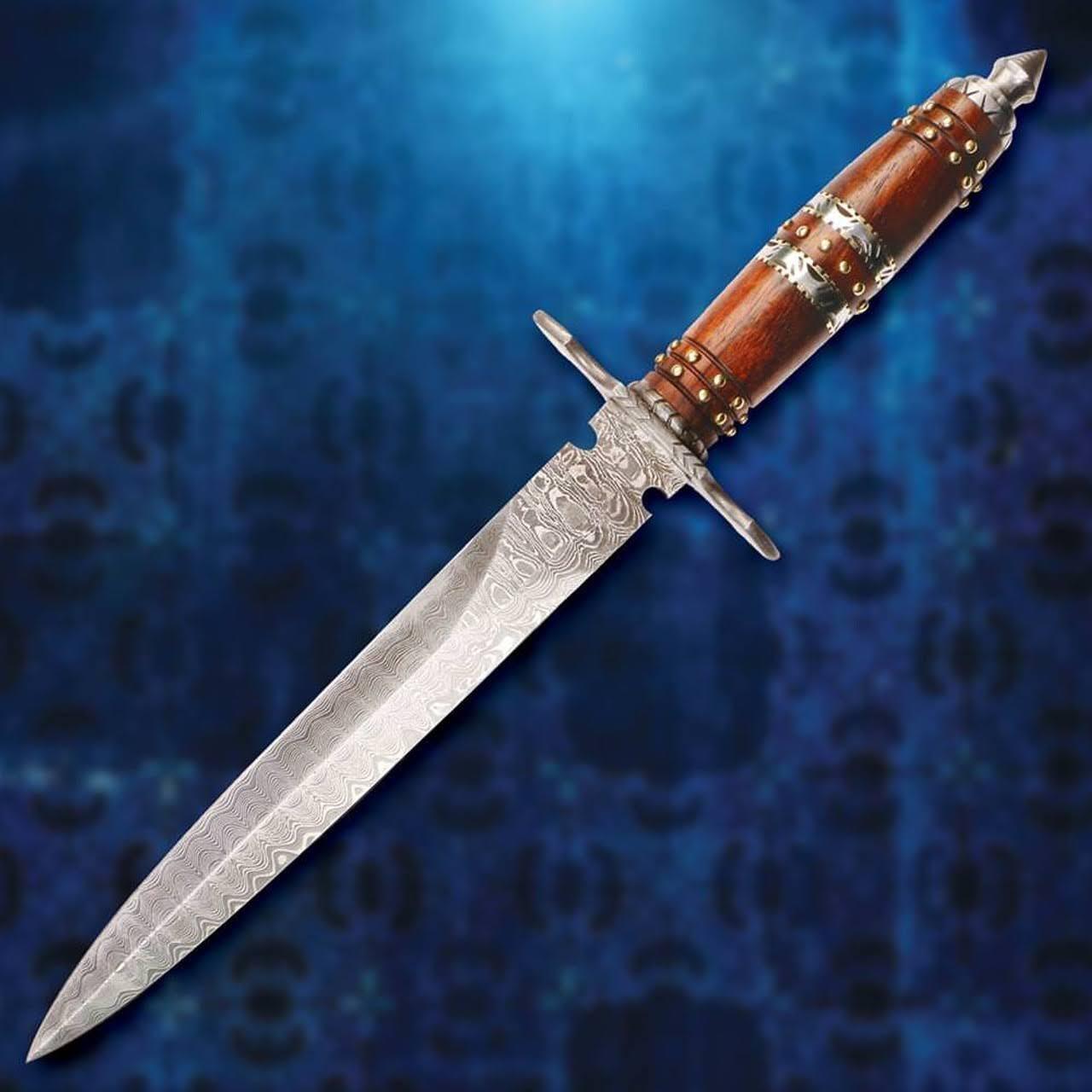
Early daggers were made from bone or stone , but as metallurgy advanced, bronze and, later, iron became the material of choice. By the time of the Iron Age, steel daggers had emerged, prized for their strength and durability. Master craftsmen often employed intricate forging techniques, layering metals to create durable and sharp blades. Some daggers were adorned with precious metals or gemstones, especially those used in ceremonial or symbolic contexts.
Variations
Daggers have evolved into many forms, each with specific functions:
- Stiletto Dagger: Long and thin, ideal for piercing armor.
- Dirk: A Scottish variant with a broader blade, often used in ceremonial settings.
- Kris: A wavy-bladed dagger from Southeast Asia known for its spiritual significance.
- Pugio: A Roman military dagger worn by soldiers as a secondary weapon.
Each variation reflected the technological advancements and cultural needs of its time.
Functionality and Usage

Primary Use
Daggers were primarily used as thrusting weapons in close combat. Their compact size allowed for quick, deadly strikes, making them essential for soldiers and assassins. In addition to combat, daggers also served as utility tools for hunting, preparing food, and even ceremonial purposes like sacrifices or rites of passage.
Techniques
Daggers were often a secondary weapon in battle, employed when larger weapons like swords or spears were impractical. Soldiers might use them in a "dagger and cloak" technique, hiding the blade for a surprise attack. In duels, daggers allowed for rapid strikes and counters, especially in confined spaces where maneuverability was limited.
Advantages and Disadvantages
Advantages:
- Portability: Small and lightweight, making it easy to conceal.
- Speed: Quick, rapid strikes due to its size.
- Versatility: Suitable for both combat and daily tasks.
Disadvantages:
- Limited Range: Ineffective at longer distances.
- Lack of Defensive Capability: Unable to block or parry heavier weapons effectively.
Cultural and Symbolic Significance

Symbolism
Daggers are often seen as symbols of bravery, treachery, or protection. In some cultures, they represented authority and were passed down as heirlooms. The Kris, for example, holds significant spiritual value in Indonesia and Malaysia and is believed to possess mystical powers. Similarly, the Scottish dirk was more than just a weapon; it symbolized a Highland warrior's honor and loyalty.
Cultural Legacy
Today, daggers are seen less as weapons and more as historical artifacts. They feature prominently in reenactments, museums, and ceremonial events, such as the Scottish dirk in Highland dress. Daggers are still used for practice and ritual in many martial arts traditions, preserving their ancient significance.
Daggers have maintained a strong presence in modern media, from films like The Lord of the Rings to video games like Assassin's Creed. They symbolize stealth, speed, and deadly precision, cementing their place in pop culture. Their strong presence has kept the dagger relevant in the minds of new generations, often blending historical accuracy with fictional creativity.
Modern Relevance
Collecting
Daggers have become prized collectibles, sought after for their historical value and craftsmanship. Enthusiasts often seek out antique daggers from specific periods or regions, while modern reproductions allow collectors to own pieces inspired by history. Restoring daggers to their former glory has become an art form, with collectors carefully maintaining the blade's sharpness and preserving the handle's integrity.
Recreational Use
Daggers are still used in martial arts, particularly in knife-fighting disciplines such as Kali and Krav Maga. Enthusiasts also use them in historical reenactments, reliving famous battles and historical events where daggers played pivotal roles.
Pop Culture
Daggers have maintained a strong presence in modern media, from films like The Lord of the Rings to video games like Assassin's Creed. They symbolize stealth, speed, and deadly precision, cementing their place in pop culture. Their strong presence has kept the dagger relevant in the minds of new generations, often blending historical accuracy with fictional creativity.
Conclusion
Daggers may be small, but their impact on history and culture is monumental. From the early Bronze Age to their modern representations in media, these weapons have transcended their original function to become symbols of power, bravery, and even treachery. Their design, functionality, and symbolic meanings have evolved over millennia, yet the dagger continues to captivate and inspire.
If you're fascinated by the legacy of this timeless weapon, you should explore Pirate Weapons or consider adding one to your collection. Discover our range of historical daggers at Museum Replicas , where the past comes to life through masterful craftsmanship.