


Fencing Swords, Art, and Sport
Jun 23rd 2025
Battle Axes: Viking Fury
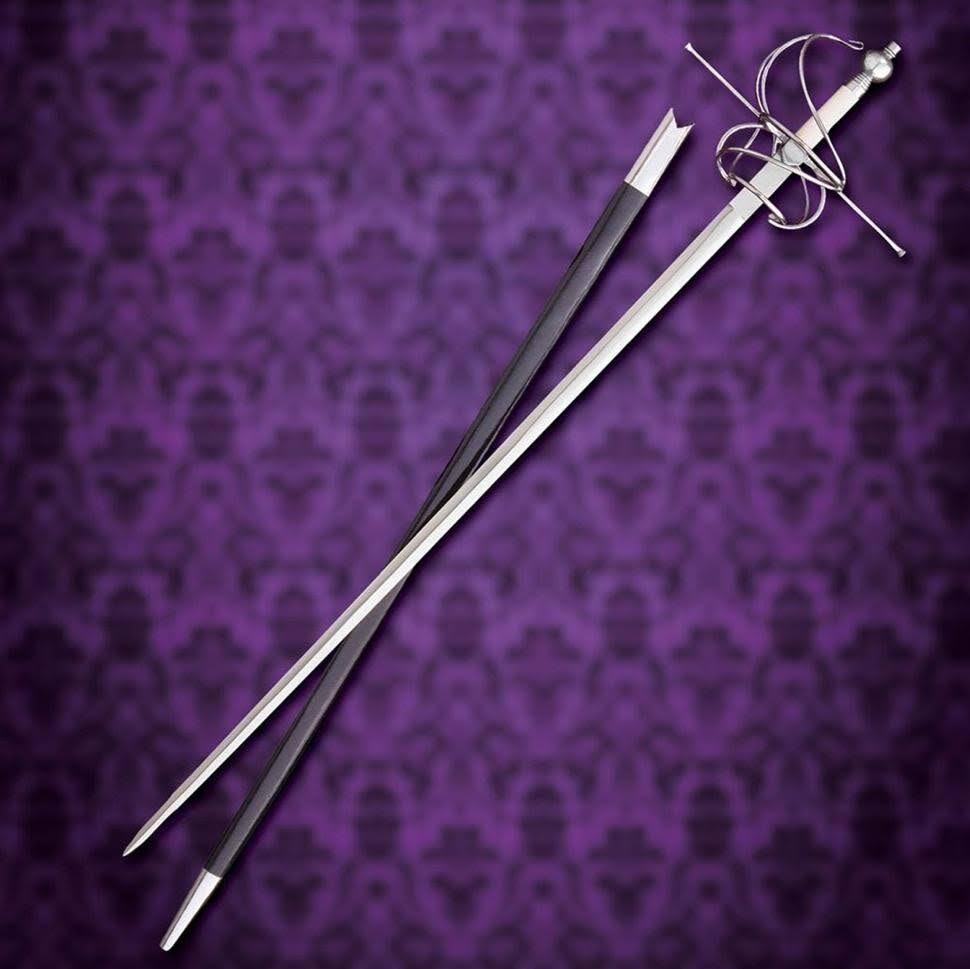
Fencing is a captivating blend of artistry, athleticism, and history, with its iconic swords at the heart of its allure. From medieval battlefields to modern Olympic arenas, fencing swords have evolved over centuries, embodying both practical weaponry and refined craftsmanship.
Today, they inspire athletes, collectors, and enthusiasts alike. In this exploration of fencing swords, we’ll delve into their rich history, uncover unique facts, examine the sport of fencing, explore their presence in media and culture, and consider why owning a fencing sword might appeal to you.
The History of Fencing Swords
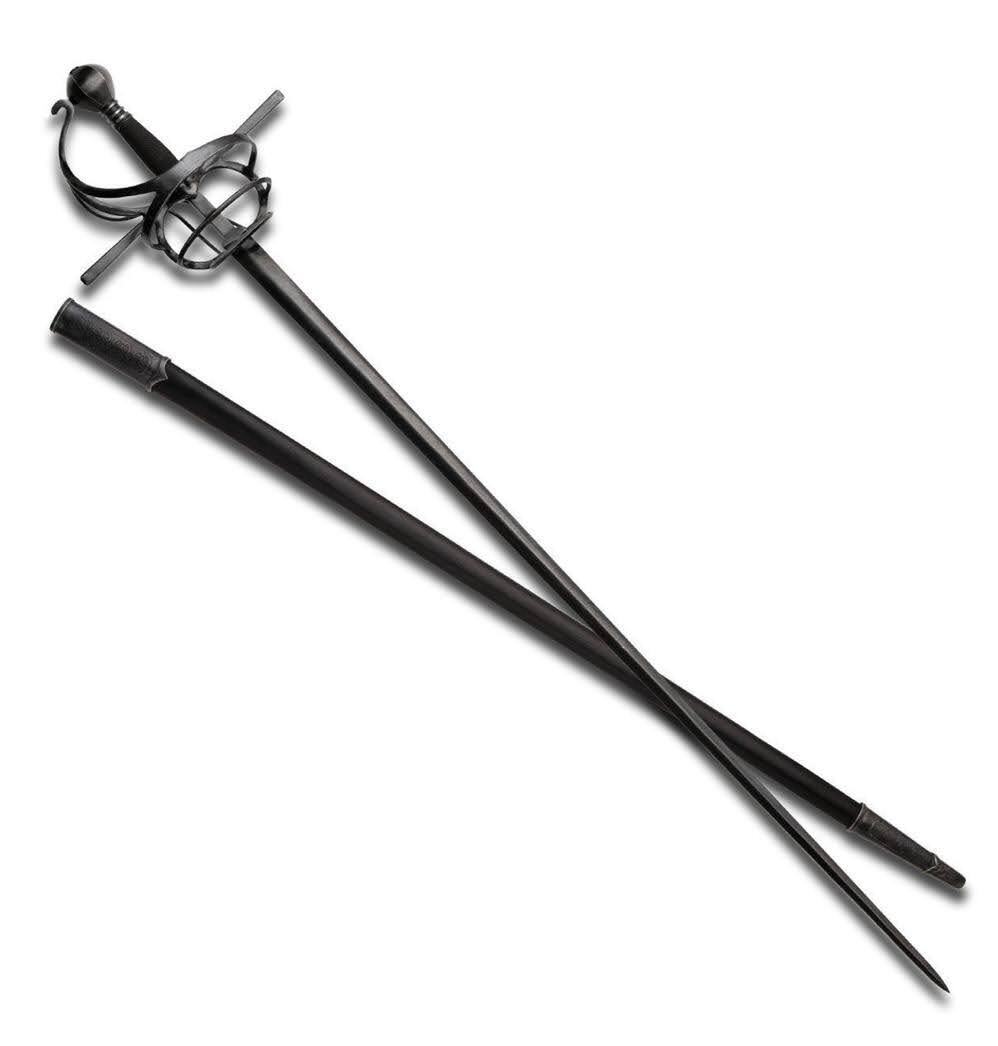
The story of fencing swords begins in the crucible of combat. Swords were originally tools of war, designed for cutting, thrusting, and survival. By the late Middle Ages, as armor improved and firearms emerged, the need for lighter, more agile blades grew. The rapier , a slender, sharp-pointed sword, emerged in the 16th century as a weapon of choice for duels and self-defense. Its long, elegant design allowed for precise thrusts, marking a shift from brute force to skill and finesse, a precursor to modern fencing.
In the 17th and 18th centuries, the smallsword replaced the rapier in European courts. Shorter and lighter, it was less a battlefield weapon and more a gentleman’s accessory, used in formalized duels and as a status symbol. Fencing schools flourished during this time, codifying techniques that emphasized speed and accuracy. These early blades laid the groundwork for the three distinct weapons used in modern fencing: the foil, the épée, and the sabre.
The foil developed as a training weapon for the smallsword, became a cornerstone of fencing practice by the 18th century. The épée, heavier and stiffer, evolved from the dueling rapier, while the sabre, with its curved edge, drew inspiration from cavalry swords. By the 19th century, fencing transitioned from a martial skill to a competitive sport, culminating in its inclusion in the first modern Olympics in 1896. Today’s fencing swords are standardized for safety and fairness, but their designs echo centuries of martial heritage.
Unique Facts About Fencing Swords
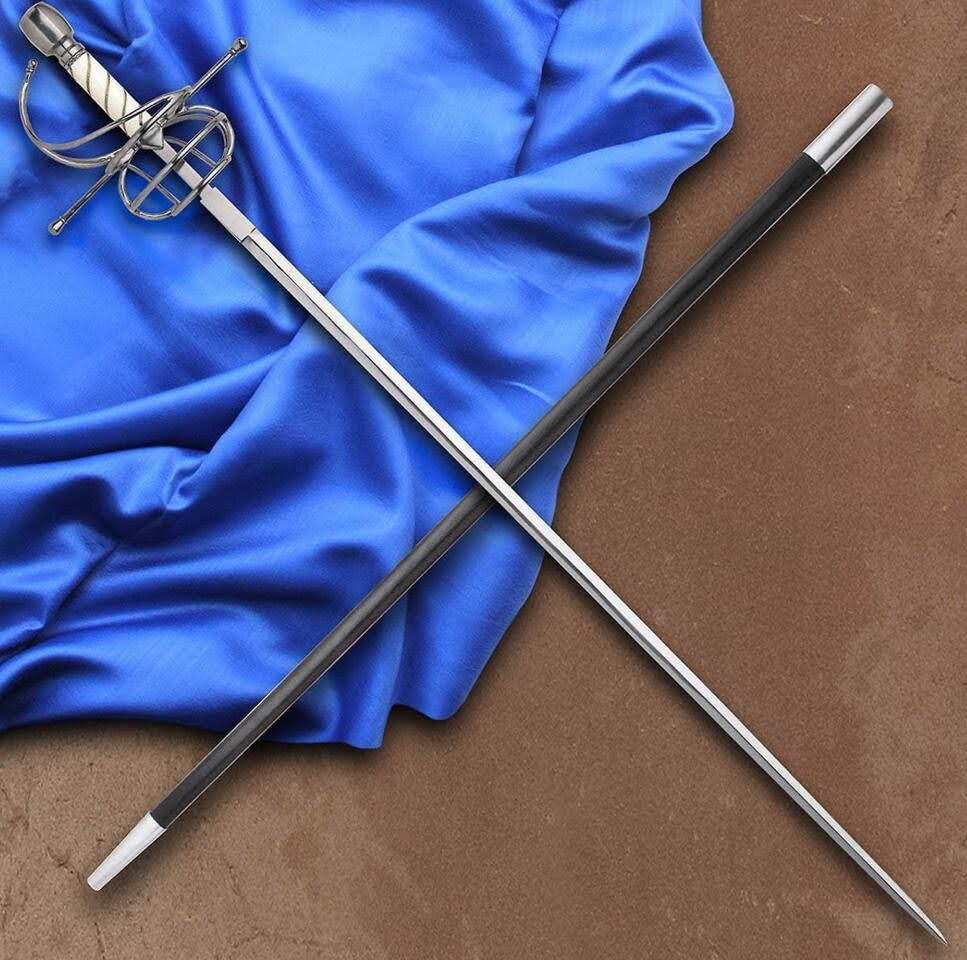
Fencing swords are more than just sports equipment; they’re steeped in fascinating quirks and traditions. For instance, did you know that the foil’s name comes from the French word "feuille," meaning "leaf," due to the blade’s flexible, leaf-like tip? This flexibility allows it to bend upon impact, reducing the risk of injury, a feature refined over centuries.
The épée, meanwhile, is the only fencing weapon where the entire body is a valid target, reflecting its origins in lethal duels where any hit could prove fatal. Its tip is equipped with a spring-loaded button that registers a touch only when sufficient pressure is applied, about 750 grams, roughly the weight of a small apple.
The sabre stands apart with its cutting heritage. Unlike the foil and épée, which score only with the tip, the sabre allows strikes with the edge of the blade, mimicking the slashing motions of mounted warriors. This makes sabre fencing the fastest and most dynamic of the three disciplines, often described as "fencing with a whip."
Another intriguing tidbit: fencing swords are surprisingly lightweight. A modern foil weighs just 500 grams (about 1.1 pounds), yet its balance and construction allow fencers to wield it with precision for hours. These unique traits make fencing swords both functional tools and works of art.
The Sport of Fencing

The Fencing today is a global sport that combines physical prowess with mental strategy. Governed by the Fédération Internationale d’Escrime (FIE), it’s practiced in three disciplines: foil, épée, and sabre. Each has distinct rules and scoring areas. In foil, only the torso is a valid target; in épée, it’s the whole body; and in sabre, it’s everything above the waist, excluding the hands.
A fencing match, or "bout," unfolds on a 14-meter-long strip called a piste. Competitors wear protective gear, masks, jackets, gloves, and breeches, and use electronic scoring systems to register touches. The first fencer to score 15 points (or the most points in a set time) wins. Speed, reflexes, and tactics are key; fencers must anticipate their opponent’s moves while disguising their own intentions.
Fencing’s Olympic pedigree dates back to 1896, and it remains one of the few sports featured in every modern Games. It’s also a rare sport where men and women have competed since 1924, with the women’s foil making its debut that year. Beyond the Olympics, fencing remains a thriving sport in clubs, schools, and universities worldwide, attracting participants of all ages.
What sets fencing apart is its accessibility. It doesn’t demand brute strength or towering height; success hinges on technique and agility. This makes it a sport where strategy often trumps physicality, earning it the nickname "physical chess."
Fencing Swords in Media and Culture
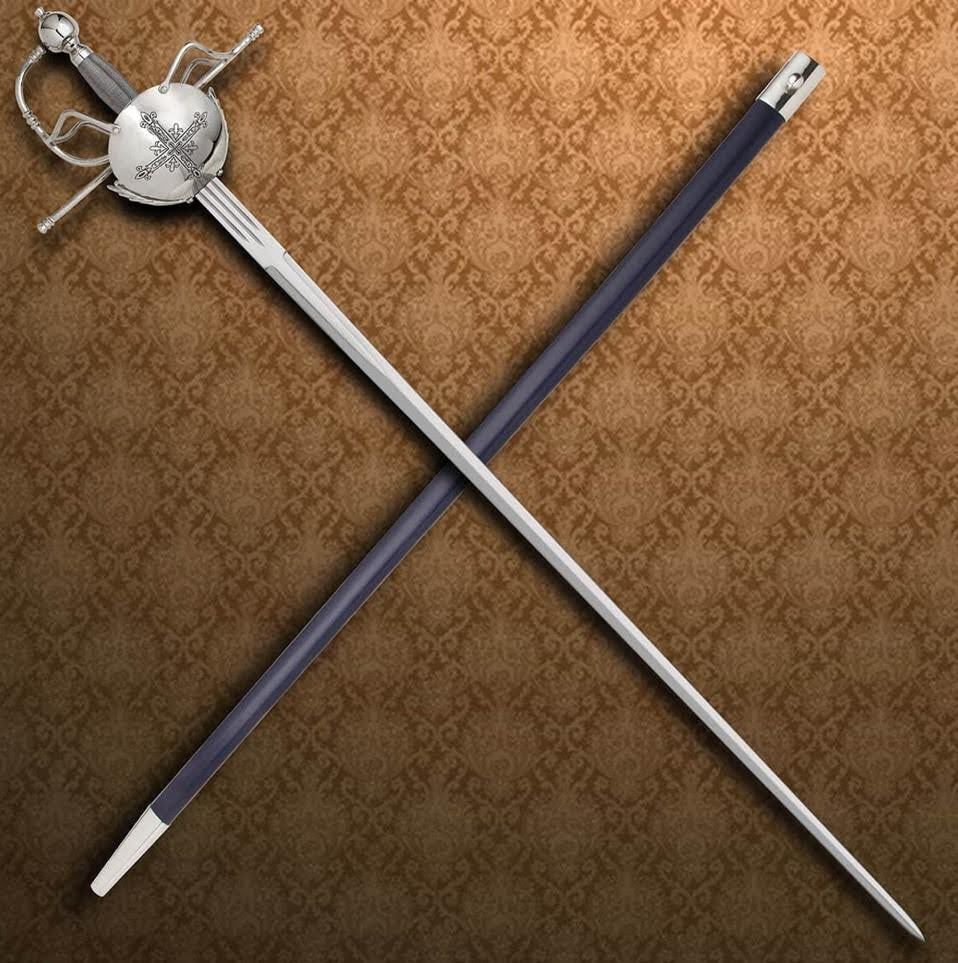
Fencing swords have left an indelible mark on popular culture, often symbolizing elegance, honor, and danger. In literature, Alexandre Dumas’ The Three Musketeers immortalized the rapier-wielding swashbuckler, while Shakespeare’s Hamlet climaxes with a dramatic fencing duel. These stories highlight the sword’s dual role as both weapon and art form.
On screen, fencing swords shine in films like The Princess Bride, where Inigo Montoya’s masterful swordplay captivates audiences, and Zorro, whose masked hero wields a blade with flair. Even modern franchises like Star Wars draw inspiration from fencing, with lightsaber battles echoing the choreography of sabre duels. Hollywood often exaggerates the clashes and sparks, but the essence of fencing, i.e., grace under pressure, remains intact.
Video games, too, embrace fencing swords. Characters like Raphael in Soulcalibur, armed with a rapier, showcase the weapon’s elegance, while games like Nidhogg distill fencing into pixelated, high-stakes combat. Beyond entertainment, fencing swords appear in art and fashion, their sleek lines inspiring designers and painters alike.
This cultural resonance elevates fencing swords beyond mere tools. They’re symbols of a romantic past, evoking knights, duels, and tales of valor, an allure that continues to captivate imaginations.
Why Collect or Own a Fencing Sword?
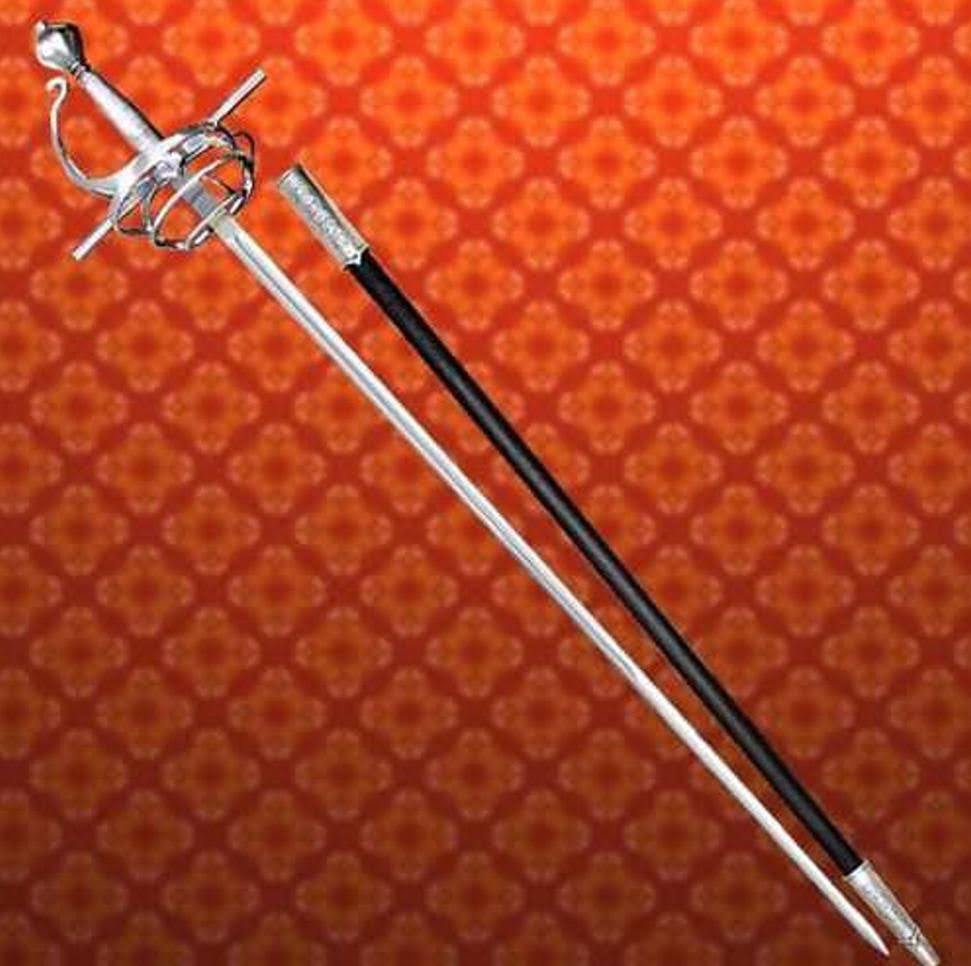
For many, owning a fencing sword is a way to connect with this storied legacy. Collectors prize historical replicas, rapiers, smallswords, or sabres, for their craftsmanship and historical significance. These blades, often hand-forged with intricate hilts, double as decor, transforming a living room into a gallery of martial arts.
Aspiring fencers, meanwhile, might invest in a modern foil, épée, or sabre to hone their skills. Owning your own sword allows for practice outside formal lessons, fostering a deeper bond with the sport. Unlike mass-produced sports gear, fencing swords are precision instruments, each tailored to its wielder’s grip and style.
Some are drawn to fencing swords for their aesthetic appeal. A well-crafted blade, whether functional or decorative, exudes a sense of sophistication. Displayed on a wall or in a case, it sparks conversation and admiration. Others find joy in the tactile experience, holding a sword forged with centuries-old techniques feels like grasping history itself.
For enthusiasts of reenactment or cosplay, fencing swords bring characters to life, from musketeers to pirates. And for those simply intrigued by the unusual, a fencing sword is a unique addition to any collection, blending utility with artistry in a way few objects can.
Beyond practicality, owning a fencing sword taps into a sense of adventure. It’s a tangible link to a world of duels, honor, and skill, a chance to wield something timeless.
Make History Yours
Whether you’re a history buff, a sports enthusiast, or someone seeking a striking piece of decor, a fencing sword offers something extraordinary. Ready to own a piece of this legacy? Explore our collection today, and take the first step toward wielding your own piece of fencing history!