


Kukris: The Gurkha Blade
Dec 11th 2024
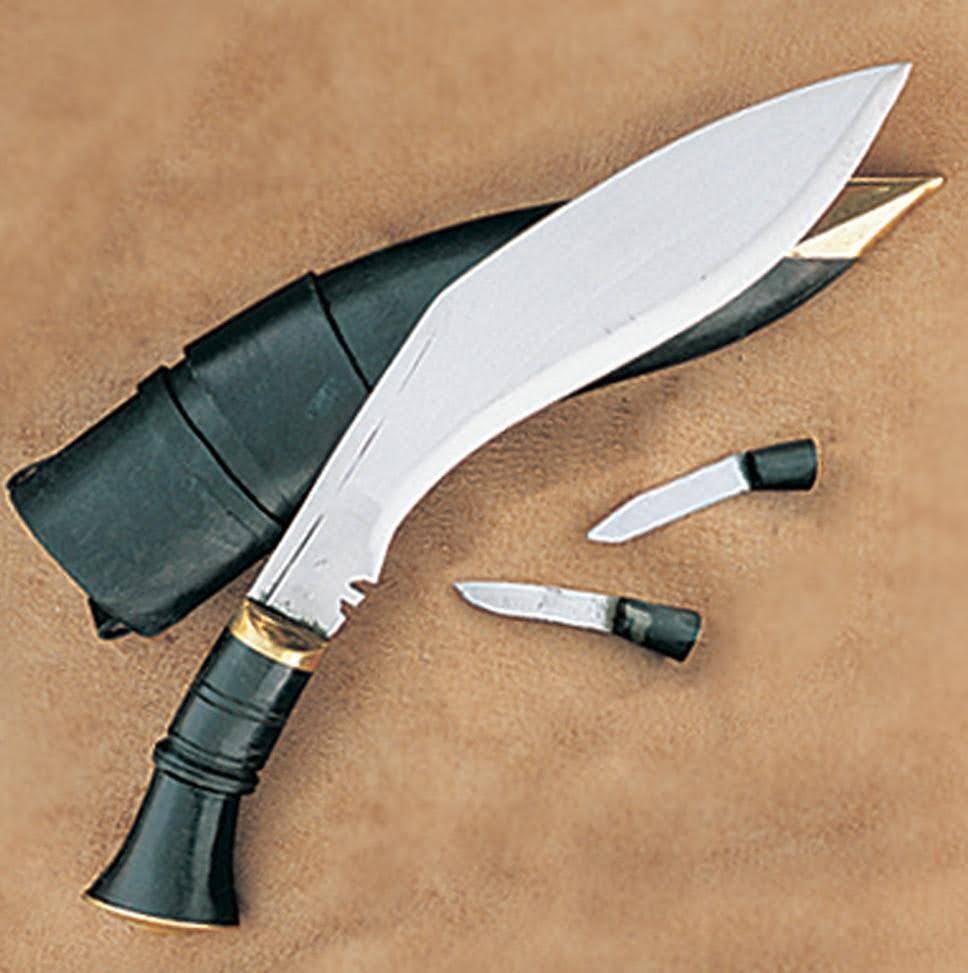
The kukri is not just a blade; it's a symbol of honor, bravery, and centuries of warrior tradition. Known for its distinctive, curved shape and its devastating effectiveness, the kukri is the weapon most synonymous with the Gurkhas, one of the world’s fiercest and most respected soldier communities. Did you know that this remarkable knife has also played a vital role in some of the world’s most significant military conflicts?
Originating from the rugged terrain of Nepal, the kukri has been used for centuries by the Gurkhas in battle and daily life. Its unique design has made it an efficient combat tool and a cultural icon, representing the strength and determination of the Gurkha people. This blog will delve into the kukri’s fascinating history, remarkable design, and lasting impact on culture and modern life.
Historical Overview

Origins
The kukri’s origins are steeped in mystery, with various theories suggesting it may have evolved from early weapons used in ancient civilizations in the Himalayan region. Some sources point to its development in the 7th century, while others trace its roots to even earlier periods, possibly as far back as the Bronze Age. Despite the uncertainty about its origins, the kukri became firmly associated with the Gurkhas, Nepal’s most revered warrior class, from the 18th century onward.
The weapon’s design—a curved, single-edged blade—was influenced by Nepal's geography and lifestyle. The Gurkhas, known for their fierce combat skills and indomitable spirit, quickly adopted the kukri as both a tool for everyday use and a weapon of war. Over time, it became a symbol of their military prowess, worn by Gurkha soldiers in every conflict they fought in.
Cultural Impact
The kukri is inseparable from Nepal's culture and the legacy of the Gurkhas. These soldiers, known for their exceptional bravery and dedication, often entered battle wielding their kukris, using the weapon with extraordinary efficiency. The kukri was not just a tool for fighting—it became a symbol of identity, pride, and the spirit of the Gurkha soldier.
Its cultural significance also extends to Nepalese daily life. The kukri is still widely used as a multi-purpose tool, from chopping wood to butchering animals. Its role in Nepalese folklore and tradition cannot be overstated, as it appears in countless stories, songs, and celebrations.
Notable Uses
The kukri gained international fame during the Anglo-Nepalese Wa (1814–1816), where Gurkha soldiers fought against the British East India Company. Despite being heavily outnumbered, the Gurkhas’ reputation for skillful and aggressive fighting, often using the kukri, earned them respect and admiration from their British counterparts.
In the following years, the British Army began recruiting Gurkha soldiers for their imperial forces. During the 19th and 20th centuries, the kukri became closely associated with British colonial wars, World War I and II, and other significant military engagements, such as the Falklands War (1982). Seeing a Gurkha soldier charging into battle with a kukri in hand instilled fear and respect among enemies.
Design and Characteristics
Description
The kukri’s design is instantly recognizable. It features a single-edged, forward-curved blade that is wider at the base and tapers to a sharp point. The curvature allows for powerful, slashing cuts, making it particularly effective in close combat. The blade is typically between 10 and 16 inches long, with the larger versions used in ceremonial contexts or as status symbols.
One of the most striking features of the kukri is the kaudi, a notch on the blade's spine near the handle. While its precise purpose remains debated, it is often considered symbolic, representing the blood of fallen enemies. It also serves a practical function: the notch helps stabilize the blade during use and ensures a clean cut.
Material and Craftsmanship
Traditionally, the kukri is made from high-carbon steel, which was chosen for its ability to hold a sharp edge and resist wear. The blade is forged using age-old techniques passed down through generations. Many kukris are still handmade in Nepal, often by skilled artisans who employ techniques that have remained nearly unchanged for centuries.
The kukri handle is typically made from wood, buffalo horn, or, occasionally, bone. The grip is designed for comfort and control, ensuring the user can wield the blade precisely. Kukri craftsmanship is considered an art form, with each knife being unique to its maker.
Variations
There are several variations of the kukri, each with specific functions:
- Military Kukri: A standard-issue blade for Gurkha soldiers designed for combat and utility.
- Ceremonial Kukri: Often larger and more ornately decorated, these kukris are used in formal events and rituals.
- Utility Kukri: A smaller, more practical version used for everyday tasks such as chopping wood, preparing food, and skinning animals.
- Double Kukri: A variant with two blades, sometimes used in ceremonial or ornamental contexts.
Functionality and Usage
Primary Use
The kukri was primarily designed as a weapon of war, optimized for slashing and chopping in close-quarter combat. Its unique shape allows the wielder to deliver powerful strikes with minimal effort, making it particularly effective in tight spaces. It is also highly versatile, serving as a tool for daily life in Nepal, where it is used for tasks such as cutting wood, preparing food, and even farming.
The kukri is also used in various traditional rituals and ceremonies. In Nepal, it plays a central role in celebrations like the Dashain festival, where a symbolic sacrifice is made with the blade, and the khukuri is used in religious rites and ceremonies.
Techniques
A trained user can employ several techniques with the kukri, including slashing, stabbing, and thrusting. The kukri’s forward curve allows for devastating sweeping motions, while the blade's weight distribution ensures that each strike is powerful and efficient. The handle is designed for a strong grip, and its angle gives the wielder maximum leverage, making it effective for chopping through flesh, bone, and dense vegetation.
Advantages and Disadvantages
Advantages
- Powerful slashing and chopping capabilities.
- Highly effective in close-quarters combat.
- Multi-purpose tool suitable for various tasks beyond combat.
Disadvantages
- Limited reach compared to longer blades or firearms.
- Requires skill and training to wield effectively.
- Heavier and less maneuverable than smaller knives or daggers.
Cultural and Symbolic Significance
Symbolism
The kukri is more than just a weapon—it is a symbol of the warrior spirit and honor of the Gurkha people. It represents strength, resilience, and the will to fight for one’s country and comrades. In many ways, it reflects the Gurkha ethos: "Better to die than live a coward." The kukri also symbolizes the bloodshed and sacrifices made by the Gurkhas in service to their countries.
In addition to its martial associations, the kukri carries religious and spiritual significance. For example, it is often used in Nepalese rituals to symbolize the power of the deities and protect the bearer from evil.
Cultural Legacy
Today, the kukri remains an enduring symbol of Nepalese culture and the Gurkha soldier. It is revered as a national treasure and is a source of immense pride for Nepal. While the role of the kukri in modern warfare has diminished, its cultural significance continues to thrive. The blade is often featured in films, literature, and television, representing the fierce spirit of the Gurkhas.
Modern Relevance
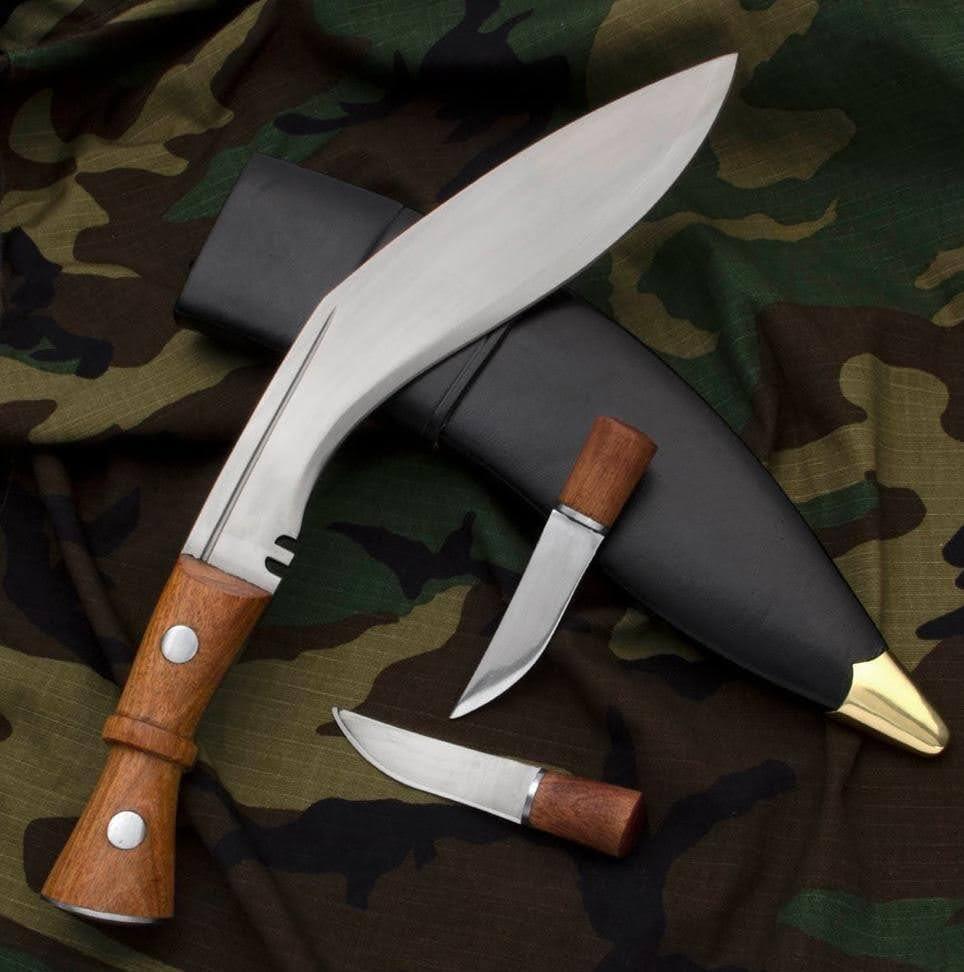 Genuine Gurkha Regimental Kukri
Collecting
The kukri is a popular item among collectors and knife enthusiasts. Due to its craftsmanship, historical significance, and distinctive design, antique and modern kukris are often sought after. Many collectors focus on acquiring military-grade kukris or rare ceremonial versions, which can fetch high prices at auctions.
Recreational Use
In modern times, the kukri is also used for recreational purposes. Outdoor enthusiasts and survivalists value its practicality and durability. The kukri’s design makes it ideal for bushcraft, hunting, and camping, where its multi-functional capabilities—such as chopping wood and preparing food—come in handy.
Pop Culture
The kukri has made numerous appearances in pop culture, from Hollywood films to video games. Notable appearances include its use by characters like Rambo in the Rambo series and popular video games such as Call of Duty. These portrayals have contributed to the continued relevance of the kukri as a symbol of strength and combat prowess.
Conclusion
The kukri is more than just a weapon—it is a profound symbol of tradition, resilience, and bravery. From its origins in the mountains of Nepal to its role in the hands of Gurkha soldiers worldwide, the kukri has earned its place in history as one of the most iconic and respected blades. Its unique design and versatility make it a functional tool and a cultural treasure.
Whether as a collector’s item, a survival tool, or a symbol of the fierce Gurkha warrior spirit, the kukri continues to captivate the imagination of people around the world. It remains a testament to the power of tradition and the enduring legacy of the Gurkhas.
To add a kukri knife to your collection, check out our website to view our selection!