


Smoking Pipes: Culture in Smoke
Dec 3rd 2024

Smoking Pipes: Culture in Smoke
Introduction
Ever wonder why smoking pipes have endured for centuries, evolving into both functional tools and symbols of status, relaxation, and culture? From the long-stemmed pipes of Native Americans to the ornate designs favored by European aristocrats, pipes have played a fascinating role in human history. These timeless artifacts aren't just about smoking tobacco—they embody tradition, ritual, and artistry. In this blog, we’ll delve into the evolution of smoking pipes, exploring their historical roots, cultural significance, and modern-day relevance.
Historical Overview
Origins
The use of smoking pipes dates back thousands of years, with some of the earliest archaeological evidence coming from the ancient civilizations of the Americas. Native American cultures were among the first to cultivate and smoke tobacco in pipes, using them in both ceremonial and social contexts. The "peace pipe" or calumet is one of the most well-known examples, symbolizing harmony and communication between tribes. Meanwhile, in other parts of the world, particularly in the Middle East and Asia, different forms of pipes were developed to smoke various herbs and substances.
Cultural Impact
Smoking pipes became integral to many cultures, not only as tools for smoking but also as symbols of ritual and social status. In Native American societies, the smoking pipe was a sacred object used in ceremonies, often to seal agreements or symbolize the connection between humans and the spiritual world. In Europe, during the 16th and 17th centuries, the rise of tobacco use led to an increase in pipe smoking, which soon became a common practice among both the working class and nobility. By the 18th and 19th centuries, ornate pipes were often crafted for the wealthy, making smoking an elegant pastime.
Notable Uses
Pipes played significant roles in key historical moments. The Native American peace pipe, for instance, was central to negotiations and treaties between tribes and European settlers. In the literary world, iconic characters like Sherlock Holmes and J.R.R. Tolkien's hobbits popularized pipe smoking as a symbol of contemplation and wisdom. European aristocrats, including kings and noblemen, were often depicted with finely crafted pipes, reinforcing their social standing.
Design and Characteristics
Spontoon Tomahawk Pipe
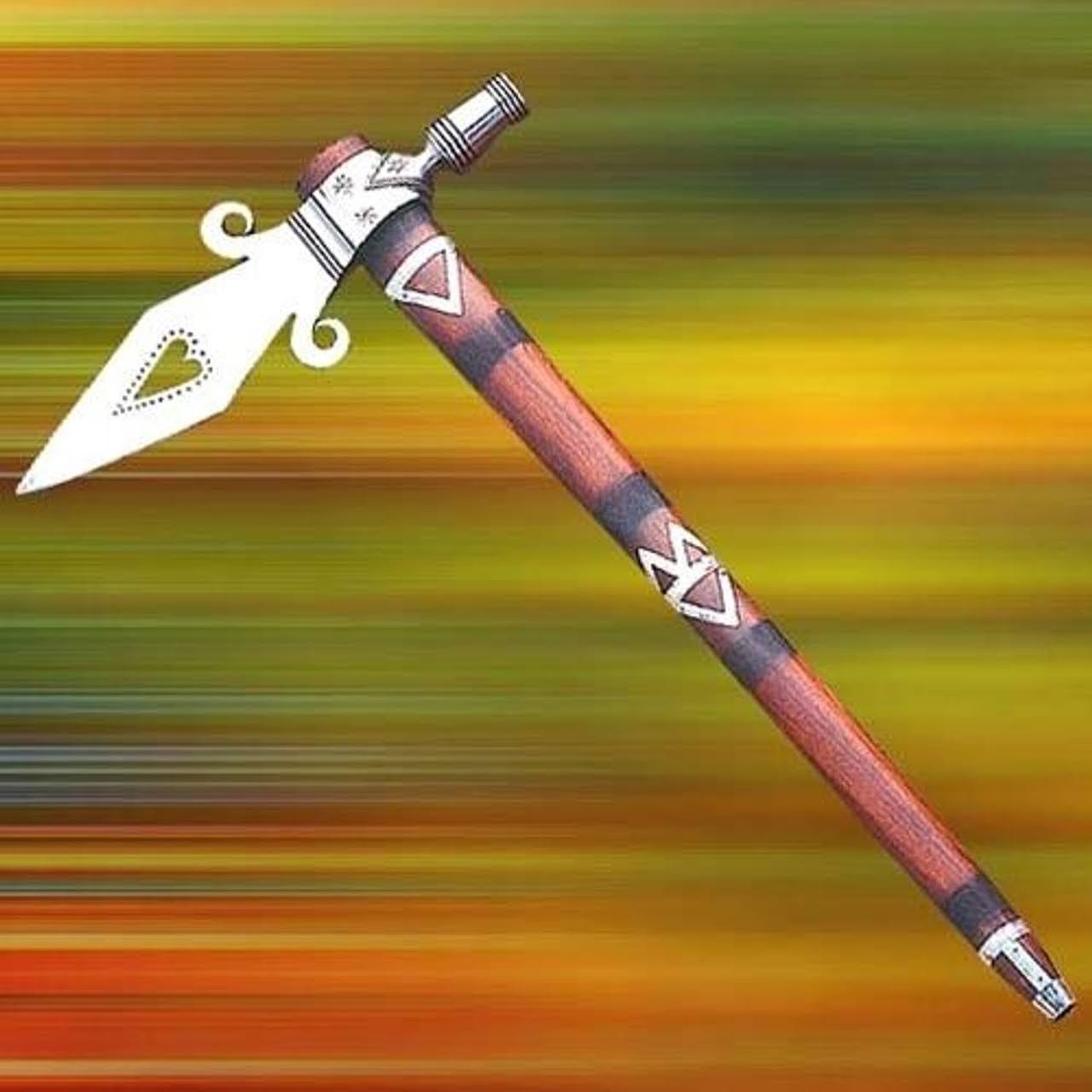
Description
Smoking pipes come in various designs, but all share a basic structure: a bowl, where the tobacco or substance is placed and burned, and a stem through which the smoke is drawn. Traditional pipes vary in size, shape, and materials, with some being small and portable while others have long, elegant stems. The mouthpiece, where the smoker inhales, is often crafted from a separate material for comfort and durability.
Material and Craftsmanship
The materials used to make pipes have evolved significantly over time. Early Native American pipes were often made from stone, particularly catlinite, a soft red stone that could be easily carved. European pipes, especially in the 17th century, were typically made of clay, but briar wood became the preferred material as the art of pipe-making advanced. Briar is prized for its heat resistance, durability, and beautiful grain, allowing intricate carvings and designs. Some pipes also feature precious metals or ivory inlays, highlighting the craftsmanship involved in their creation.
Variations
There are numerous types of smoking pipes, each with unique designs suited to different preferences and cultures:
- Calumet : Also known as a peace pipe, this long-stemmed Native American pipe was often decorated with feathers and beads and used for ceremonial purposes.
- Meerschaum Pipe : Popular in Europe, these pipes are made from a soft white mineral and are often intricately carved. They turn a rich amber color with use.
- Churchwarden Pipe : Known for its long, elegant stem, this European design was popular among scholars and writers because it cools the smoke before inhalation.
- Corncob Pipe : An American staple, these inexpensive yet functional pipes became associated with country life and simple pleasures.
Functionality and Usage
The Tradesman Pipe

Primary Use
While the primary purpose of a smoking pipe is to smoke tobacco or other herbs, its use has often extended far beyond the act of smoking itself. In many cultures, the pipe is a ritual, contemplation, and social bonding tool. For example, the ceremonial use of pipes by Native Americans represented more than just a physical act—it was a profoundly spiritual activity that conveyed peace and connection. In Europe, smoking became a social pastime, with gentlemen gathering in clubs or salons to enjoy a pipe while discussing politics, philosophy, or literature.
Techniques
Smoking a pipe requires a specific set of techniques that differentiate it from other forms of smoking. The smoker first packs the bowl with tobacco, taking care to ensure that it is packed neither too tightly nor too loosely. Lighting a pipe involves slowly burning the tobacco, often in layers, to avoid scorching it. The smoker then inhales the smoke, savoring its flavor, before exhaling slowly. This systematic approach lends itself to the contemplative and leisurely image associated with pipe smoking.
Advantages and Disadvantages
Advantages:
- Flavor: Pipe tobacco is often richer and more aromatic than cigarettes or cigars, offering a more refined smoking experience.
- Pace: Pipe smoking is a slow, deliberate process, ideal for relaxation and reflection.
- Customizability: Pipes come in a wide variety of designs and materials, allowing smokers to personalize their experience.
Disadvantages:
- Maintenance: Pipes require regular cleaning and care to function properly.
- Health Risks: Like all forms of tobacco use, smoking pipes can carry significant health risks, including lung and oral cancers.
- Learning Curve: Smoking a pipe correctly takes time and practice, and it can be frustrating for beginners.
Cultural and Symbolic Significance
Symbolism
The smoking pipe has long symbolized peace, contemplation, and sophistication. In Native American traditions, the peace pipe was a sacred object representing unity and harmony. In European society, pipe smoking became associated with intellectuals, writers, and thinkers, symbolizing reflection and wisdom. Characters like Sherlock Holmes and Gandalf, often depicted with pipes, reinforce the idea that pipe smoking is a contemplative, almost philosophical activity.
Cultural Legacy
Today, the cultural legacy of smoking pipes continues in various ways. While cigarette and cigar smoking have become more common, pipe smoking retains a niche following among enthusiasts who appreciate the ceremonial aspects of the practice. Pipes have also maintained their place in literary and cinematic traditions, often symbolizing wisdom, authority, or calm demeanor. In some cultures, the pipe remains a crucial ceremonial object, passed down through generations as a symbol of heritage and tradition.
Modern Relevance
The Dwarven Pipe
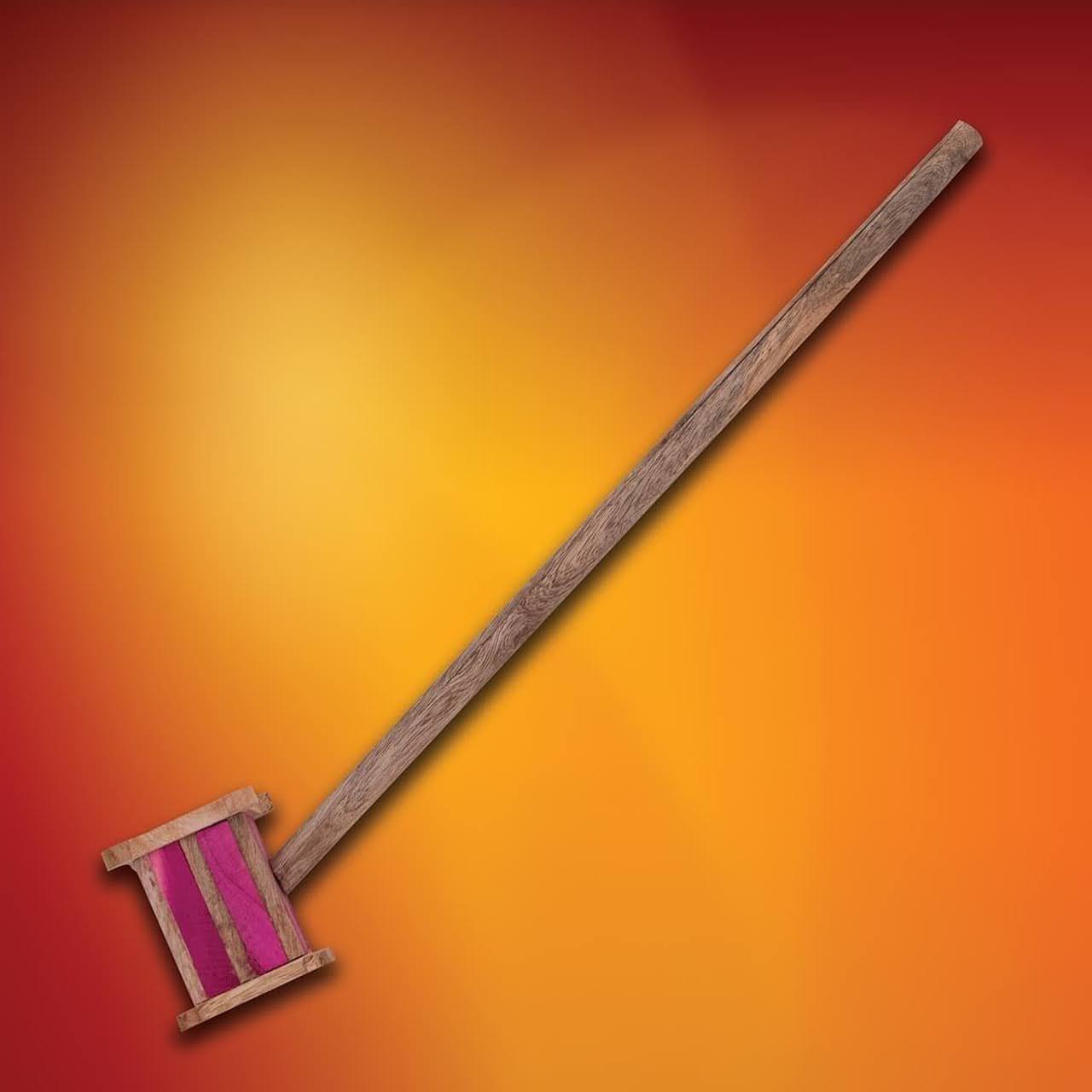
Collecting
Pipe collecting has become a popular hobby, with enthusiasts seeking out antique and modern designs. Vintage meerschaum and briar pipes are especially coveted, as they represent the craftsmanship of earlier eras. Collectors often look for pipes with unique carvings or those that belonged to notable historical figures. Some even restore old pipes, preserving their beauty and function for future generations.
Recreational Use
Pipe smoking is less common today than it once was, but it remains a beloved pastime for many. Pipe clubs and smoking lounges offer enthusiasts a place to gather, share their collections, and enjoy pipe tobacco in a social setting. Additionally, reenactment groups and historical societies sometimes incorporate pipe smoking into their events, recreating the habits and customs of past eras.
Pop Culture
Pipes continue to appear in popular culture, most notably in movies, television, and literature. The character of Sherlock Holmes, famously portrayed with a curved pipe, has cemented the pipe’s association with detective work and intellect. In The Lord of the Rings, the hobbits’ love of pipe smoking (referred to as "pipeweed") reflects their simple, contemplative lifestyle. These portrayals have kept the image of the pipe smoker alive in the collective imagination, symbolizing reflection, wisdom, and relaxation.
Conclusion
With its rich history and cultural significance, the smoking pipe remains an enduring symbol of tradition, artistry, and contemplation. From sacred ceremonies to sophisticated social gatherings, the pipe has woven itself into the fabric of human culture. Whether admired for its craftsmanship or enjoyed for its relaxing ritual, the pipe continues to captivate collectors, enthusiasts, and casual smokers alike.
For those interested in exploring the world of smoking pipes, a wealth of history, design, and tradition is waiting to be discovered. So why not light up a pipe , relax, and let your thoughts wander through the smoke?