


The Claymore: Myth and Legend
Jan 18th 2025
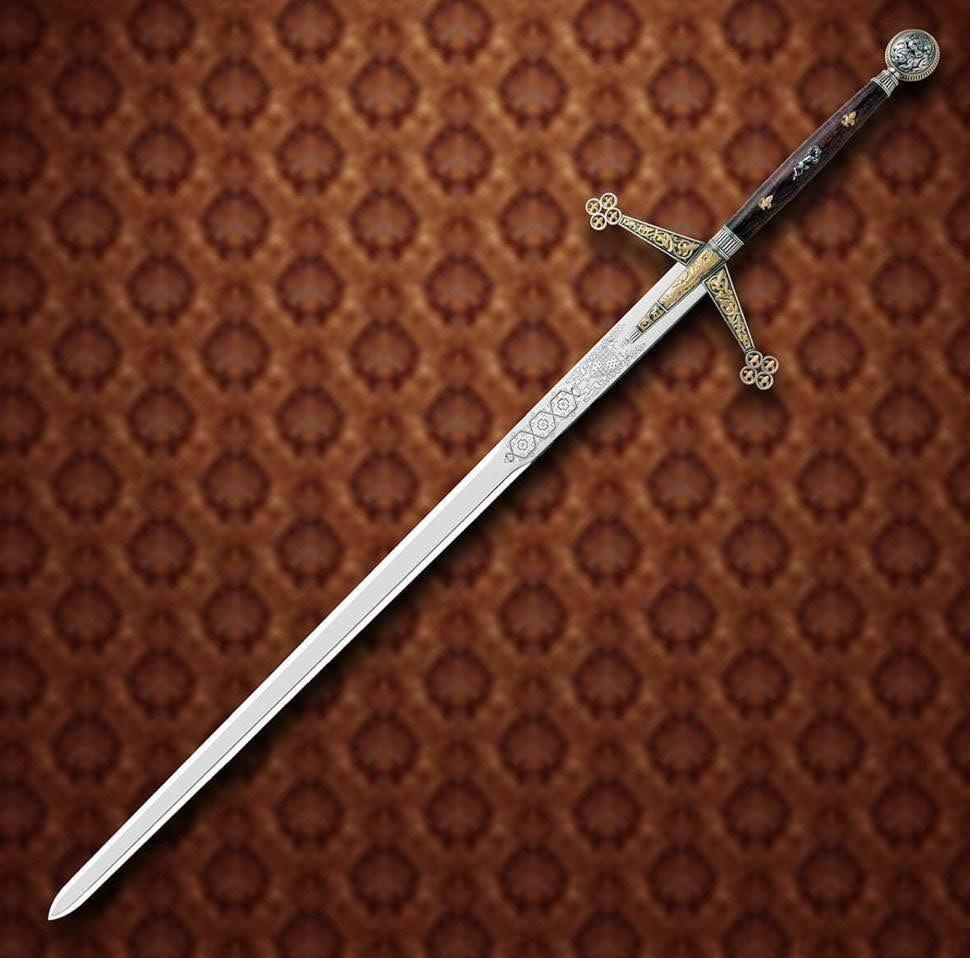
Silver and Gold Claymore by Marto
When one thinks of legendary weapons, the Claymore undoubtedly stands out. Its massive size, fearsome reputation, and connection to Scottish history have made it a symbol of bravery and valor. But what makes this sword more than just a piece of metal and craftsmanship? Why does the Claymore continue to capture our imagination, appearing in everything from historical reenactments to popular video games?
In this blog, we'll explore the Claymore's origins, historical significance, and why this legendary weapon symbolizes power and heroism.
Historical Overview
Origins: The Birth of the Claymore
The Claymore is an iconic two-handed sword that originated in Scotland during the late Middle Ages, around the 15th century. While the term "claymore" is often used to describe the broad, double-edged swords favored by Scottish warriors, the word comes from the Gaelic claidheamh mòr, which means "great sword." This large, imposing weapon responded to the need for a combat tool capable of cutting through the chaos of medieval battlefield engagements, often where knights in full armor fought with spears, swords, and axes.
The Claymore's size and design were perfect for medieval Scotland's rugged and tumultuous warfare, which was plagued by clan feuds, English invasions, and a constant push for independence. It was designed for power and versatility, allowing warriors to fight both in close quarters and from a distance.
Cultural Impact: The Weapon of the Scots
The Claymore became synonymous with Scottish warriors, especially those fighting for independence. Through centuries of Scottish culture and folklore, the iconic image of a warrior holding a massive Claymore was romanticized. The Claymore was often seen as the weapon of choice for heroes and warriors in battle. Whether wielded by the legendary William Wallace or the skilled Highland warriors at the Battle of Culloden, the Claymore symbolized the strength and defiance of the Scottish people.
This weapon was also tied to the rise of the Highland clans, which used the Claymore to defend their land from invaders. However, the sword’s importance wasn’t just military but also significant social and cultural weight. A warrior’s sword, especially one as impressive as a Claymore, was a status symbol, marking them as leaders and protectors within their communities.
Notable Uses: The Claymore in Battle
The Claymore played a critical role in several key moments of Scottish history. One of its most famous associations is with William Wallace, the leader of the Scots during the First War of Scottish Independence. While historical accuracy regarding Wallace's exact weapon is debated, the image of him wielding a massive Claymore is firmly entrenched in the national psyche, partly due to its portrayal in movies like Braveheart .
Another notable battle in which the Claymore made its mark was the Battle of Culloden in 1746, the last pitched battle fought on British soil. In this conflict, Highland Scots, armed with Claymores and other traditional weapons, faced off against the British Army. Though the Scots were defeated, the Claymore’s place in history as a symbol of resistance to English rule was solidified.
Design and Characteristics

William Wallace Braveheart Claymore
What Sets the Claymore Apart
The Claymore is instantly recognizable by its massive blade and distinctive hilt. Typically, a Claymore measures between 5 and 6 feet and has a blade about 36 to 40 inches long. The sword is double-edged, allowing it to deliver powerful cuts from either side, making it ideal for slashing and thrusting.
The hilt of the Claymore is what truly sets it apart from other swords of the era. Often referred to as a cross-hilt design, it features two horizontal arms extending from the grip, offering the wielder better control and leverage. Some variations of the Claymore also feature swelled pommels (the knob at the end of the hilt), which could be used to balance the heavy blade. The design made the Claymore a fearsome weapon requiring strength and skill to wield effectively.
Material and Craftsmanship: A Blade of Battle
The construction of the Claymore combined skillful craftsmanship with the use of high-quality materials. Early Claymores were forged from high-carbon steel, which made the blade durable and capable of holding a sharp edge even after sustained use. The hilt was often made from wood and leather, while the crossguards could be made from iron or steel, depending on available resources.
The process of forging a Claymore involved folding the steel multiple times, a technique known as pattern welding, which ensured the sword was strong yet flexible. The craftsmanship varied depending on the smith and the region, but the general goal was to create a functional and intimidating sword.
Variations: The Different Faces of the Claymore
While the traditional Scottish Claymore is the most well-known variant, several other types of large swords were used in Europe during the same period. These include the Greatsword and the Bastard Sword , which shared some characteristics with the Claymore but had different designs, sizes, and uses. In particular, the greatsword was more common in continental Europe. While it was similar in size to the Claymore, its hilt was often more straightforward, without the characteristic cross-guard.
Despite these similarities, the Scottish Claymore's distinctive "wide blade" and cross-hilt design make it a unique weapon associated with Scotland's rugged highlands and turbulent history.
Functionality and Usage
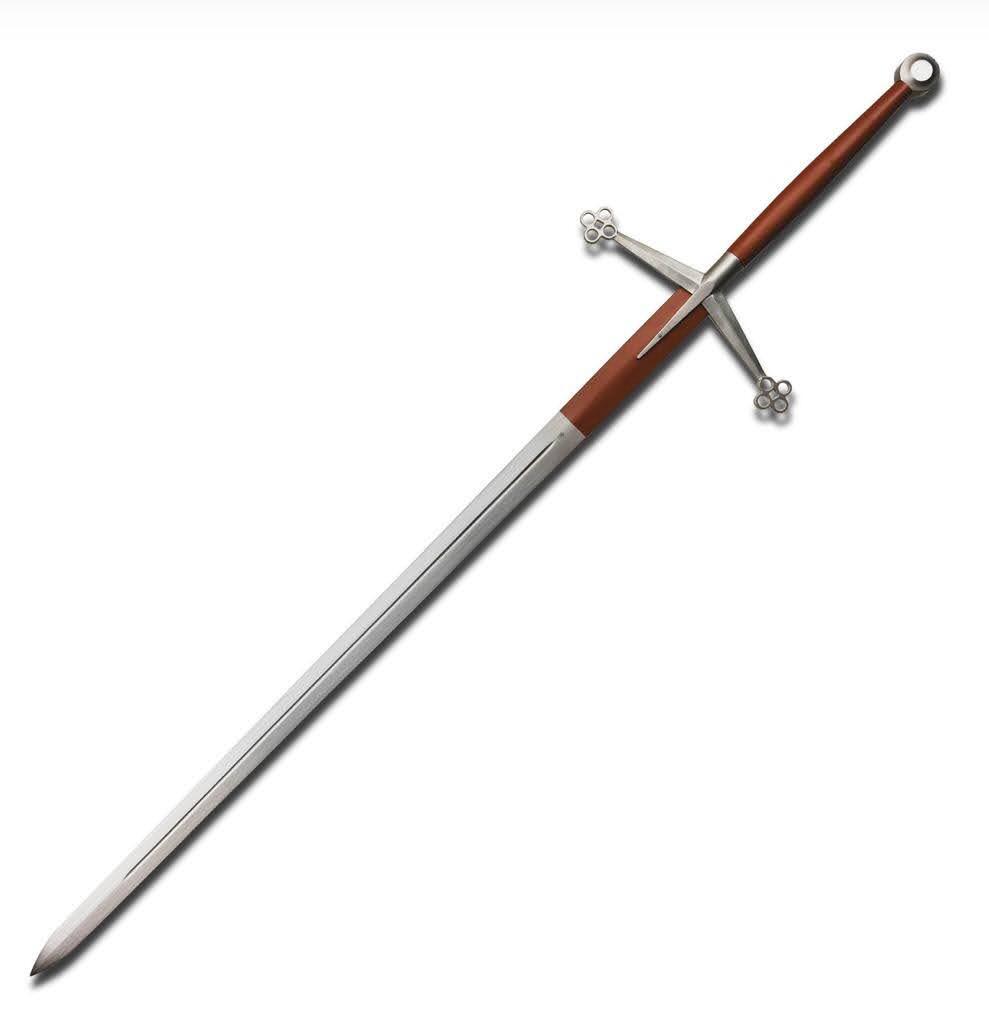
Primary Use: Combat and War
Of course, the Claymore's primary function was combat. Its sheer size and weight made it an effective tool for breaking through enemy lines and delivering powerful blows. The blade's broadness allowed the warrior to deliver sweeping cuts that could damage multiple opponents simultaneously, while its weight and length allowed for greater reach, keeping opponents at a distance.
Despite its heavy nature, the Claymore was not without its drawbacks. Wielding such a large sword required strength and stamina, and its unwieldiness in confined spaces could be a disadvantage. However, on the open battlefield or in the chaos of close combat, the Claymore proved to be an imposing weapon that could strike fear into even the most seasoned warriors.
Techniques: Mastering the Claymore
Using a Claymore required specific combat techniques. The weapon was not a finesse tool but designed for brute force. A standard method was the "cut-and-thrust," where the warrior would use the broad blade for wide, powerful slashes and follow up with thrusts aimed at the opponent’s vital points. The "two-handed grip" allowed for better control and more forceful strikes, and the "long sweeps" employed in battle were often used to knock opponents off their feet or disarm them.
In some cases, the sword was also used in ceremonial contexts, where its symbolic significance as a leadership weapon was more important than its combat utility. Highland clans would often display their swords in clan gatherings, where the presence of a claymore signified the warrior’s strength and authority.
Advantages and Disadvantages
Advantages:
- Long Reach: The Claymore's large blade provided significant reach, allowing the user to strike from a distance.
- High Cutting Power: The broad, heavy blade effectively inflicted severe damage, especially against armored opponents.
- Armor Penetration: Its size and weight made it particularly good for breaking through armor and shield defenses.
Disadvantages:
- Cumbersome in Tight Spaces: The large weapon made it difficult to use effectively in confined environments like fortresses or narrow battlefields.
- Requires Physical Strength: The Claymore demanded considerable strength to wield, making it impractical for those lacking the necessary physical capabilities.
- Requires Skill and Training: Mastery of the Claymore took significant training and experience, making it unsuitable for untrained or inexperienced fighters.
Cultural and Symbolic Significance
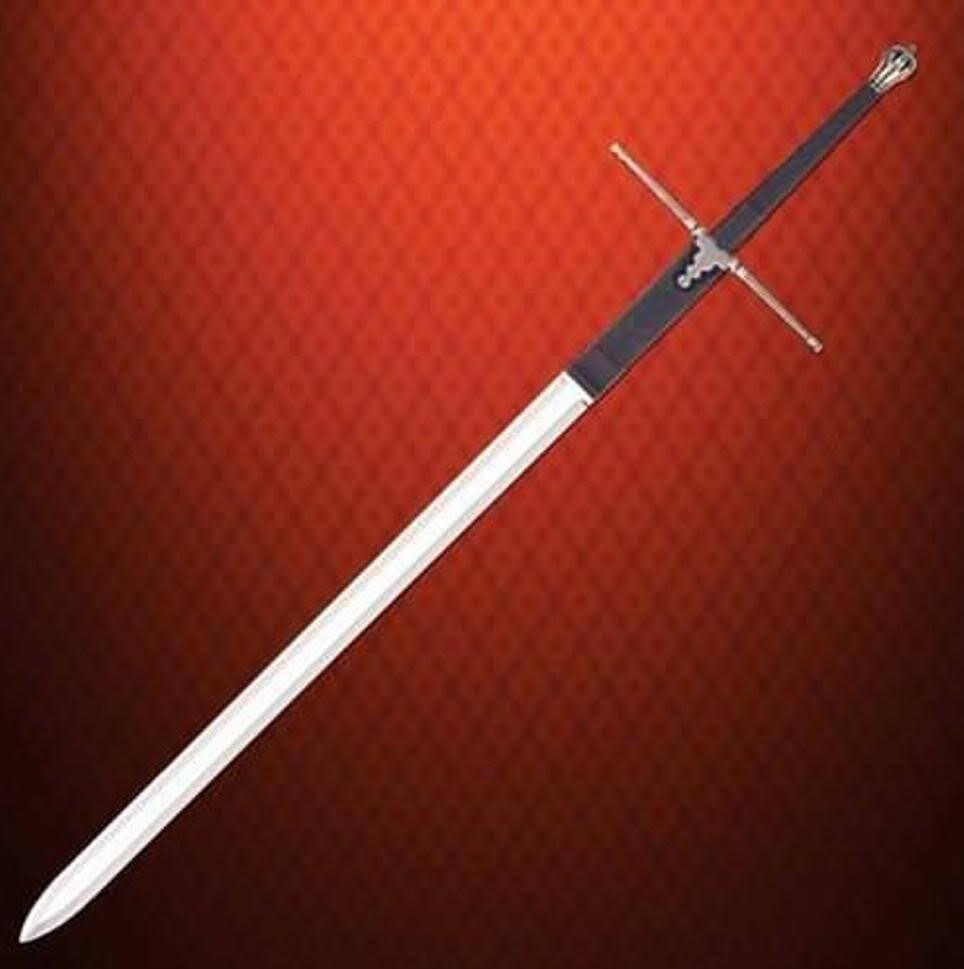
The Freedom Fighter Early Scottish Claymore
Symbolism: More Than Just a Weapon
The Claymore transcended its function as a weapon of war. In Scottish culture, it became a symbol of freedom, defiance, and resilience. The sword represented the strength of the Highland clans and their determination to defend their land from invaders, most notably the English. The Claymore was often associated with the fight for Scottish independence, particularly during the 13th—and 14th-century wars.
Its symbolic power was cemented further by its use in literature and folklore, where it often appeared as the weapon of legendary heroes, capable of feats of strength and valor.
Cultural Legacy: The Claymore in Modern Times
Today, the Claymore is still a potent symbol of Scotland's rich history and martial heritage. It is frequently seen in Scottish regimental insignia, worn as part of ceremonial dress in Scotland's military, and displayed in museums dedicated to Scottish history. It has also gained popularity in historical reenactments, where enthusiasts faithfully recreate battles using authentic reproductions of the Claymore.
In addition to its cultural legacy, the Claymore has enjoyed a significant resurgence in popular culture. From its prominent role in films like Braveheart to its inclusion in fantasy literature and video games, the image of the claymore has continued to capture the imagination of people worldwide.
Modern Relevance
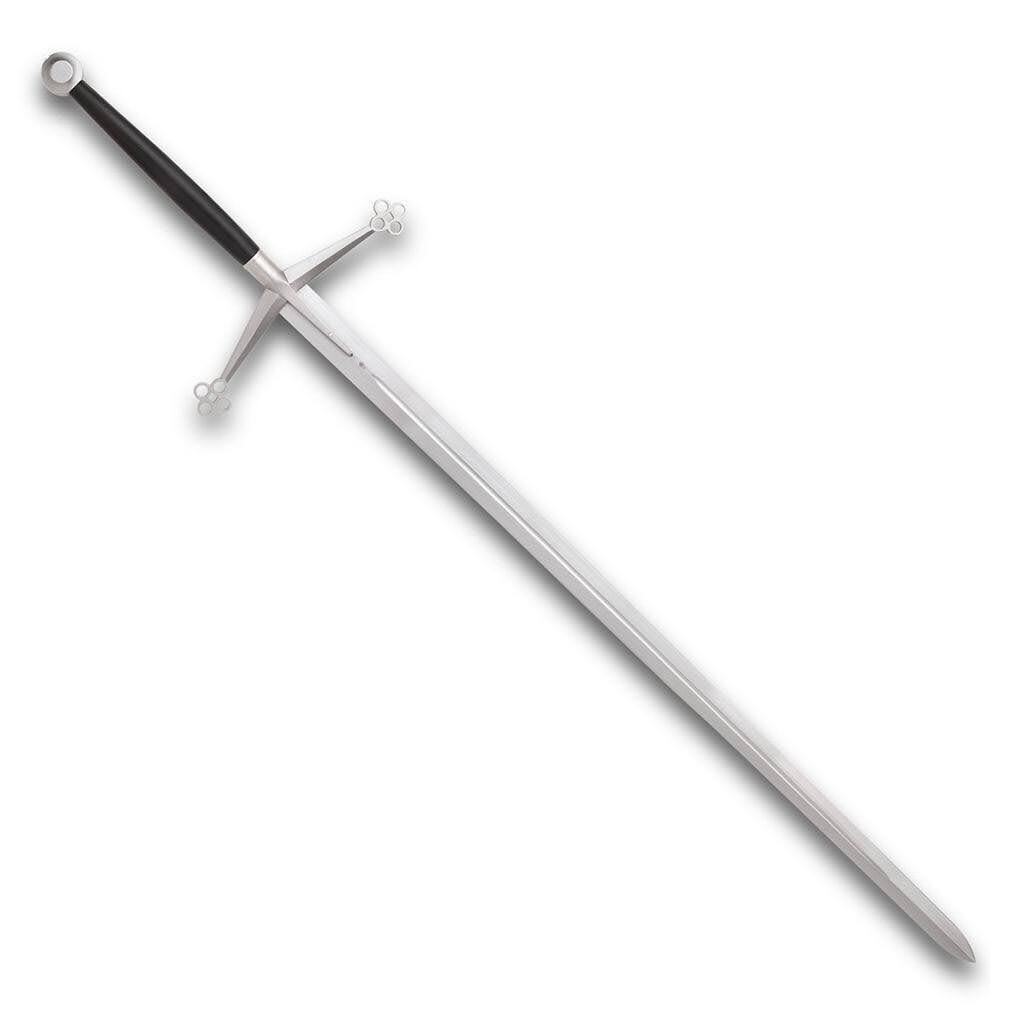
Collecting and Restoring the Claymore
Historical weapon collectors often seek authentic or replica Claymores to add to their collections. Restoring these swords to their original glory requires expertise, as the materials and craftsmanship can be fragile and intricate. Many enthusiasts also forge their Claymores, keeping the ancient smithing techniques alive.
Recreational Use and Pop Culture
The Claymore continues to be featured in modern media. It appears in role-playing video games such as The Elder Scrolls and Dark Souls , where it is often portrayed as a powerful weapon capable of dealing significant damage. The image of the sword has become synonymous with the archetype of the brave hero or the rugged warrior, appearing in fantasy novels and films.
Conclusion
The Claymore is far more than just a weapon. It is a symbol of Scotland’s history, culture, and the fierce independence of its people. From its origins on the battlefields of medieval Scotland to its continued presence in modern media and collections, the Claymore endures as a powerful representation of strength, resilience, and honor. Whether you’re a historian, a collector, or a fan of epic fantasy, the Claymore offers a glimpse into the turbulent yet proud past of one of the world’s most iconic weapons.
At Museum Replicas, we have beautiful Claymore swords waiting to be added to your collection. Visit our website to see them for yourself!