


The Legends Live On: Famous Figures and Their Weapons
May 26th 2025
Introduction
“In the name of God, St. Michael, and St. George, I give you the right to bear arms and the power to mete justice!” This charge given to King Arthur by one of his knights sets the stage for exploring the lives of legendary historical figures, each defined by their unique weapons. Throughout history, literal and metaphorical tools have become powerful symbols of identity, strength, courage, and justice.
In this blog, we will delve into the stories surrounding these remarkable figures and their weapons, examining how these items have shaped their narratives and left an indelible mark on culture.
Historical Overview
Origins
Weapons have been integral to human history , with various types emerging in different cultures around the world. Swords and knives, for instance, date back thousands of years, originating from the need for both combat and utility. The knife, one of humanity's oldest tools, has existed in various forms since the Stone Age, while swords emerged around 3,500 years ago, evolving significantly over time.
The historical development of these weapons reflects technological advancements and cultural exchanges between civilizations.
Cultural Impact
From King Arthur's sword, which symbolizes nobility and chivalry, to the combat knives of modern warriors, these weapons often reflect the societies that forged them. They have played critical roles in battles, rituals, and daily life, influencing culture, art, and folklore. For instance, King Arthur’s Excalibur is not just a weapon but a representation of rightful sovereignty and heroism, deeply rooted in British mythology.
Moreover, many weapons have been romanticized in literature and art. The tales of legendary swords and their wielders have inspired countless narratives, embodying ideals such as honor, bravery, and sacrifice. This ongoing fascination with weaponry and its historical figures shapes our understanding of cultural identity and legacy.
Cultural Impact
From King Arthur's sword, which symbolizes nobility and chivalry, to the combat knives of modern warriors, these weapons often reflect the societies that forged them. They have played critical roles in battles, rituals, and daily life, influencing culture, art, and folklore. For instance, King Arthur’s Excalibur is not just a weapon but a representation of rightful sovereignty and heroism, deeply rooted in British mythology.
Moreover, many weapons have been romanticized in literature and art. The tales of legendary swords and their wielders have inspired countless narratives, embodying ideals such as honor, bravery, and sacrifice. This ongoing fascination with weaponry and its historical figures shapes our understanding of cultural identity and legacy.
Notable Uses
Throughout history, many significant figures have been associated with notable weapons. Miyamoto Musashi's life and katana sword symbolize art and philosophy, while Jim Bowie’s knife symbolizes the bravery and ruggedness of the American frontier.
These narratives not only highlight the weapons themselves but also the contexts in which they were used. For example, swords were often wielded by knights in battle, symbolizing their status and role in society. In contrast, knives have been utilized for more personal and everyday purposes, making them versatile tools that also carry significant meaning.
Famous Figures and Their Weapons
To illustrate the impact of weapons on legendary figures, let’s examine four renowned personalities and their iconic arms.
1. King Arthur and Excalibur
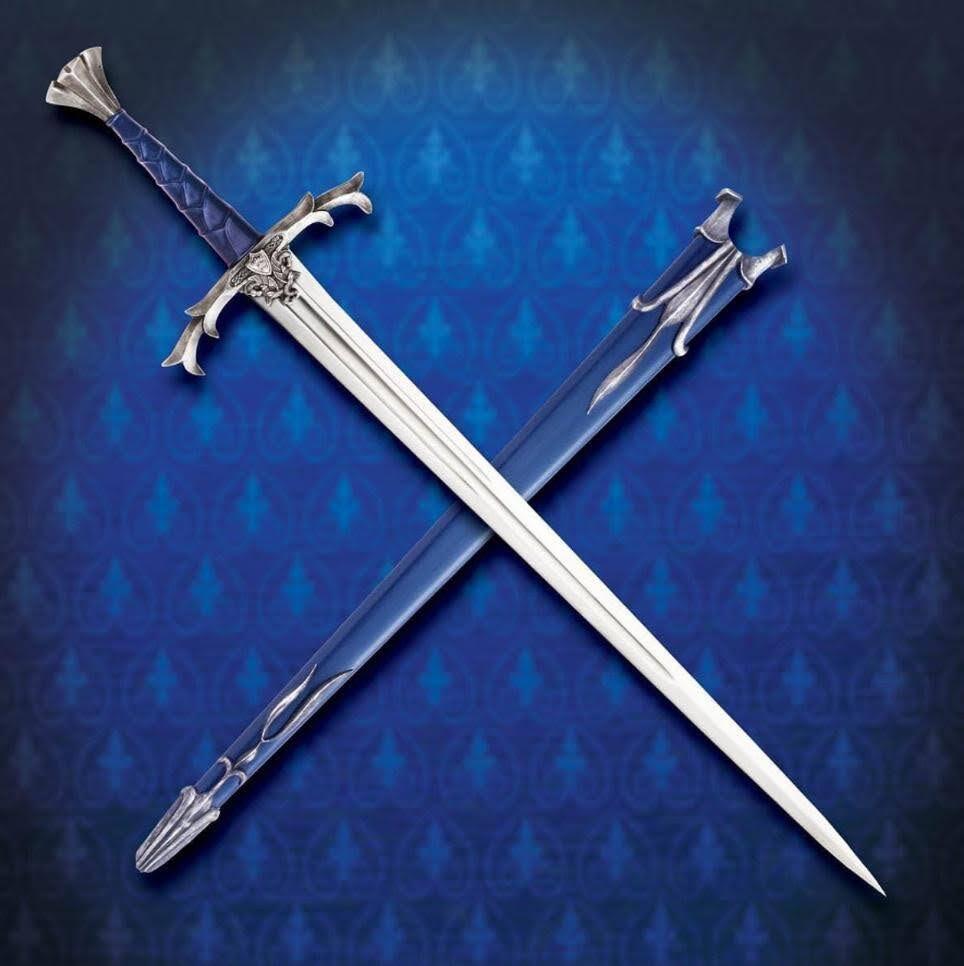
Weapon: Excalibur, the legendary sword of King Arthur.
Context: Excalibur, often associated with Arthurian legend , is said to have been given to Arthur by the Lady of the Lake. This sword signifies Arthur’s right to rule and embodies the values of chivalry and honor. The tales of Arthur and his knights of the Round Table have been retold in various forms, each emphasizing the moral dilemmas and heroic deeds associated with Excalibur.
Cultural Impact: Excalibur is deeply embedded in Western literature and folklore, representing justice and the noble cause of kingship. Its legend has inspired countless adaptations in literature, film, and art, reinforcing the notion of the heroic warrior. Films like "Excalibur" and series like "Merlin" further explore the themes of destiny and leadership, showcasing the sword as an enduring symbol of hope and courage.
2. Jim Bowie and His Knives

Weapon: Bowie knives, named after the legendary frontiersman Jim Bowie.
Context: The Bowie knife is a large, fixed-blade knife known for its unique design and versatility. Jim Bowie, a key figure in the early 19th century, was known for his role as a soldier, land speculator, and folk hero, particularly during the Texas Revolution. His infamous duel, the Sandbar Fight, and bravery at the Battle of the Alamo solidified his status as a symbol of frontier courage. The Bowie knife represented not only his rugged persona but also the resourcefulness required during a time of conflict and exploration on the American frontier.
Cultural Impact: Bowie’s legacy and the knife itself have come to symbolize bravery and the pioneering spirit of the early 1800s. Its distinctive design and utility have influenced outdoor culture and popular imagery in literature, film, and art. The Bowie knife has become an enduring emblem of adventure and individuality, inspiring generations to embrace courage and authenticity in their own pursuits. The iconic status of Jim Bowie and his knife continues to resonate, highlighting the interplay between personal identity and cultural legacy.
3. Miyamoto Musashi and the Katana

Weapon: The katana, a traditional Japanese sword.
Context: Miyamoto Musashi was a legendary swordsman and strategist in the 17th century, known for his distinctive two-sword style. His katana was not just a weapon but a symbol of his philosophy and mastery of martial arts. Musashi’s life and writings, particularly "The Book of Five Rings," emphasize the importance of discipline, strategy, and the pursuit of perfection.
Cultural Impact: Musashi’s life and teachings have inspired countless books, films, and martial arts practices, emphasizing the spiritual and physical aspects of swordsmanship. The katana itself represents discipline, honor, and the samurai code. Today, the katana is revered not only as a weapon but as a cultural artifact that embodies the artistry and craftsmanship of Japanese sword-making.
4. Joan of Arc and Her Sword
Weapon: The sword of Joan of Arc, often referred to as the "Sword of Vaucouleurs."
Context: Joan claimed to have received divine guidance, instructing her to lead France against English occupation during the Hundred Years’ War. Her sword, which she found at the church of St. Catherine de Fierbois, became a symbol of her divine mission. Joan’s courage and leadership transformed her into a national icon, and her sword became emblematic of her struggle for justice and national identity.
Cultural Impact: Joan of Arc is celebrated as a national heroine in France. Her sword represents bravery, faith, and the fight for justice, immortalizing her legacy in literature, art, and film. Joan’s story continues to resonate today, serving as a reminder of the power of conviction and the impact of individual courage on history.
Design and Characteristics
Description
Weapons like swords and knives come in various shapes and sizes, each designed for specific purposes. The sword, typically featuring a long blade and hilt, is designed for slashing and thrusting, while knives can vary from small, utilitarian blades to large combat knives. Each weapon reflects its era and culture, often adorned with intricate designs and engravings.
Material and Craftsmanship
Historically, swords were crafted from bronze, iron, and later steel, with advancements in metallurgy leading to stronger and sharper blades. Today, modern materials like carbon fiber and advanced alloys have emerged. Weapons' craftsmanship often involved skilled blacksmithing techniques passed down through generations, and each weapon was a work of art.
- Swords: The craftsmanship involved in sword-making often included detailed forging, tempering, and polishing techniques that highlighted the smith's skill. For example, the Japanese katana is known for its distinctive curved blade and meticulous forging process, which can take years to master.
- Knives: Bowie knives , characterized by their large blades and distinctive clip point, are often crafted from high-carbon stainless steel for durability and sharpness. The handle is typically made from wood, bone, or synthetic composites, showcasing functionality and aesthetic appeal.
Variations
- Some Sword Variations:
- Longsword : A versatile weapon used in various combat styles, known for its reach and adaptability.
- Broadsword : Characterized by a wide blade, often used for slashing in close combat.
- Katana : A traditional Japanese sword known for its sharpness and curved design.
- Rapier : A slender, pointed sword ideal for thrusting and precision strikes.
- Some Knife Variations:
- Bowie Knife : A large fixed-blade knife popularized in the early 19th century.
- Combat Knife : Designed for military use, featuring a sturdy blade and tactical design.
- Utility Knife: A versatile tool for everyday tasks, often folding for portability.
- Folding Knife: Compact and easily carried, often used for general utility.
Each variation has specific uses and techniques associated with it, whether in combat or daily tasks.
Functionality and Usage
Primary Use
Historically, weapons served multiple purposes: combat, hunting, ceremonial functions, and even status symbols. Swords were often used in warfare and duels, while knives have found utility in everyday tasks, making them versatile tools with significant meaning.
Techniques
Combat techniques vary widely based on the weapon type. Swords require skills in both offensive and defensive maneuvers, while knives often emphasize speed and precision. Historical martial arts, such as Kendo for swords and Filipino martial arts for knives, have preserved these techniques through generations. Kendo uses a shinai (bamboo sword) to develop discipline and combat skills.
Advantages and Disadvantages
- Swords:
- Advantages: Reach and versatility in combat. Swords can be wielded for both offensive strikes and defensive blocks.
- Disadvantages: Heavier and less maneuverable in close quarters. The length of the blade can become a liability in confined spaces.
- Knives:
- Advantages: Lightweight, easy to conceal, and quick to draw. Knives are often more intuitive for close combat and everyday tasks.
- Disadvantages: Limited range compared to swords. Knives require close proximity to an opponent, making them less effective in open battle.
Cultural and Symbolic Significance
Symbolism
Weapons are steeped in symbolism. Excalibur represents divine kingship and destiny, while Bowie’s knives symbolize bravery and survival. They are often used in literature and films to convey power, heroism, and rebellion themes.
For example, in films like "The Lord of the Rings," swords symbolize not only the physical might of the characters but also their moral journeys and quests for honor. Similarly, Joan of Arc's sword is imbued with divine significance, representing her unwavering faith and courage in the face of adversity.
Cultural Legacy
Today, these weapons are often featured in modern media, from films showcasing legendary swords to the portrayal of iconic figures like Bowie in fashion and art. Reenactments and historical societies often celebrate these weapons, keeping their stories alive. For instance, events like Renaissance fairs and historical reenactments breathe life into the stories associated with these weapons, allowing new generations to appreciate their significance.
Moreover, the impact of these figures and their weapons extends beyond mere storytelling. They inspire artists, writers, and musicians, illustrating the timeless connection between creativity and the tools that define it.
Modern Relevance
Collecting
Weapon collecting has become popular, with enthusiasts seeking historical pieces, replicas, or unique designs. Restoration and display of these items often require specialized knowledge, emphasizing their cultural and historical importance. Collectors often engage in research to understand the provenance and historical context of their items, fostering a deeper appreciation for the craftsmanship and legacy involved.
Recreational Use
Many martial arts incorporate traditional weapons training, allowing practitioners to connect with history. Sports like fencing also bring ancient techniques into a modern context, keeping the legacy of these weapons alive. Additionally, contemporary interpretations of historical combat, such as Historical European Martial Arts (HEMA), allow enthusiasts to study and practice techniques associated with historical weapons.
Pop Culture
From movies to video games, iconic weapons continue to capture our imagination. Characters wielding swords or knives often become symbols of bravery and adventure, ensuring these weapons remain relevant in storytelling. For instance, franchises like "Final Fantasy" and "The Legend of Zelda" feature legendary swords that players aspire to wield, highlighting the ongoing fascination with these weapons.
Moreover, weapons like Excalibur and katana have appeared in various forms of media, reinforcing their cultural significance. The portrayal of these weapons in contemporary storytelling continues to resonate with audiences, emphasizing their role as symbols of heroism and conflict.
Conclusion
Throughout history, the legends surrounding famous figures and their weapons illustrate the profound connection between humans and their tools of power. Whether it’s the noble sword of King Arthur, the artfulness of the katana, or the ruggedness of Bowie knives, these weapons represent much more than mere tools; they symbolize ideals, cultures, and personal journeys.
The fascination with these legendary figures and their weapons endures, encouraging us to explore the intricate stories behind them. As we continue to celebrate these symbols in modern media and culture, we invite you to delve deeper into the rich narratives they embody - explore our complete collection today.