


What Did a Medieval Armory Actually Contain? Beyond Swords and Shields
Dec 26th 2025

When most people think of a medieval armory, images of swords and shields immediately come to mind. Yet the reality was far richer and more complex, shaped by evolving warfare, economics, and technology. Armories were not just storage rooms full of iconic blades; they were organized repositories of battlefield essentials: polearms, armor, siege tools, projectile weapons, defensive gear, and even early gunpowder weapons as the Middle Ages waned.
Let’s step inside a medieval armoury, whether in a castle keep, royal fortress, or a kingdom’s armament depot—and explore what it actually contained and why.

The Heart of the Armory: Armor and Personal Protection
A knight’s iconic suit of armor was often the most prized piece in an armory. Over time, armor advanced from simple chainmail hauberks to fully articulated plate harnesses that protected the wearer from sword blows, arrows, and crushing strikes. Armory inventories list a remarkable variety: helmets (sallets, bascinets), breastplates, gauntlets, ambush helmets (eye-slit helmets), and limb protection such as greaves and vambraces. These pieces could be tallied by the hundreds in major royal armories.
- Mail Armor – interlinked rings providing flexible defense
- Plate Armor – rigid metal plates protecting chest, arms, and legs
- Helmets – evolving from nasal helms to enclosed great helms
- Horse Armor (Barding) – protection for knights’ mounts
Beyond Blades: Polearms and Heavy Weapons
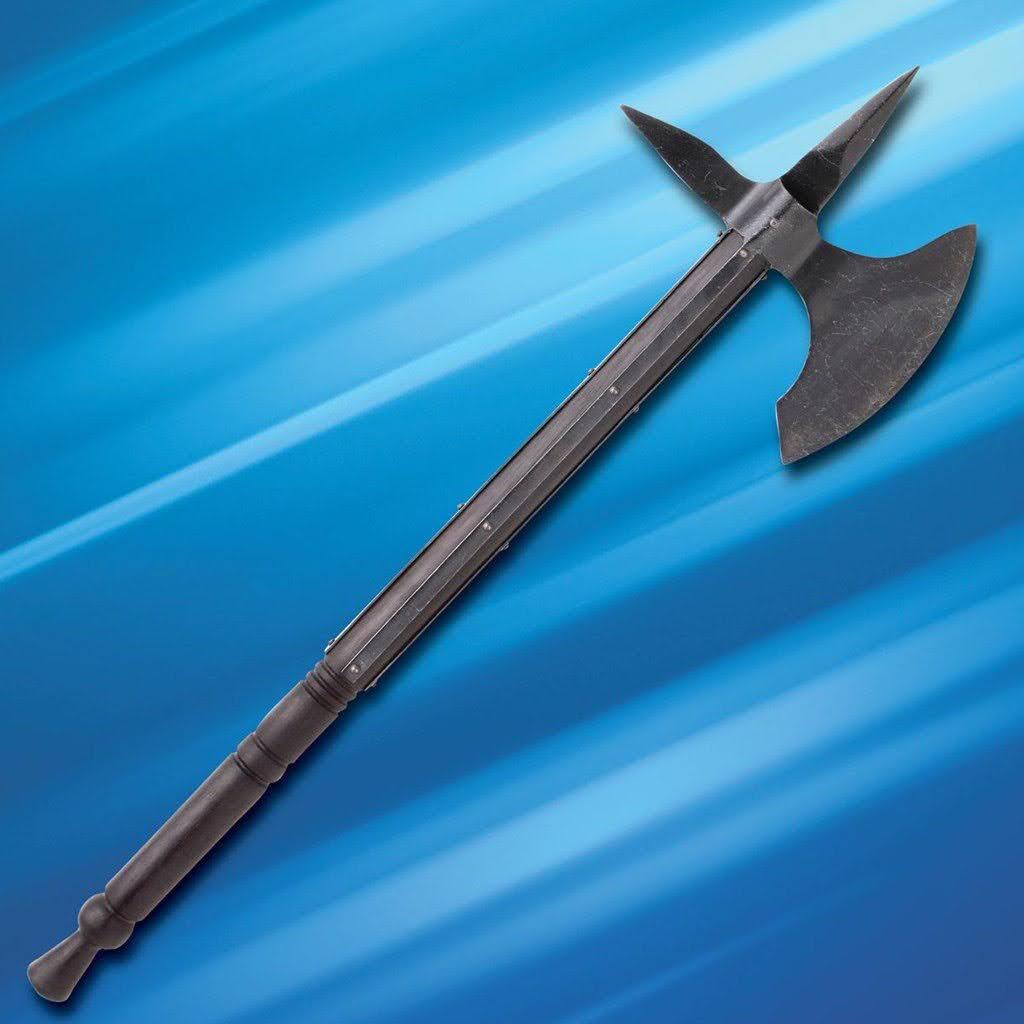
Contrary to popular stereotype, swords were not always the main weapon of medieval armies. Polearms and other longer weapons were crucial for formation fighting and infantry defense. Armories stored many such implements because they were relatively inexpensive to produce and effective en masse.
Common non-sword weapons included:
- Spears & Pikes – essentials for foot soldiers resisting cavalry charges
- Poleaxes & Halberds – versatile weapons combining axe, spike, and hook
- War Hammers – designed to dent or puncture armor
- Bec de Corbin - pole weapon featuring a “crow’s beak” head for armor piercing
- Danish Axe & Battle Axe Varieties - broad blades useful in melee
These weapons could form the backbone of a militia, and armory logs often register them in large numbers, given their battlefield importance.
Ranged Weapons: Arrows, Bows, and Early Firearms
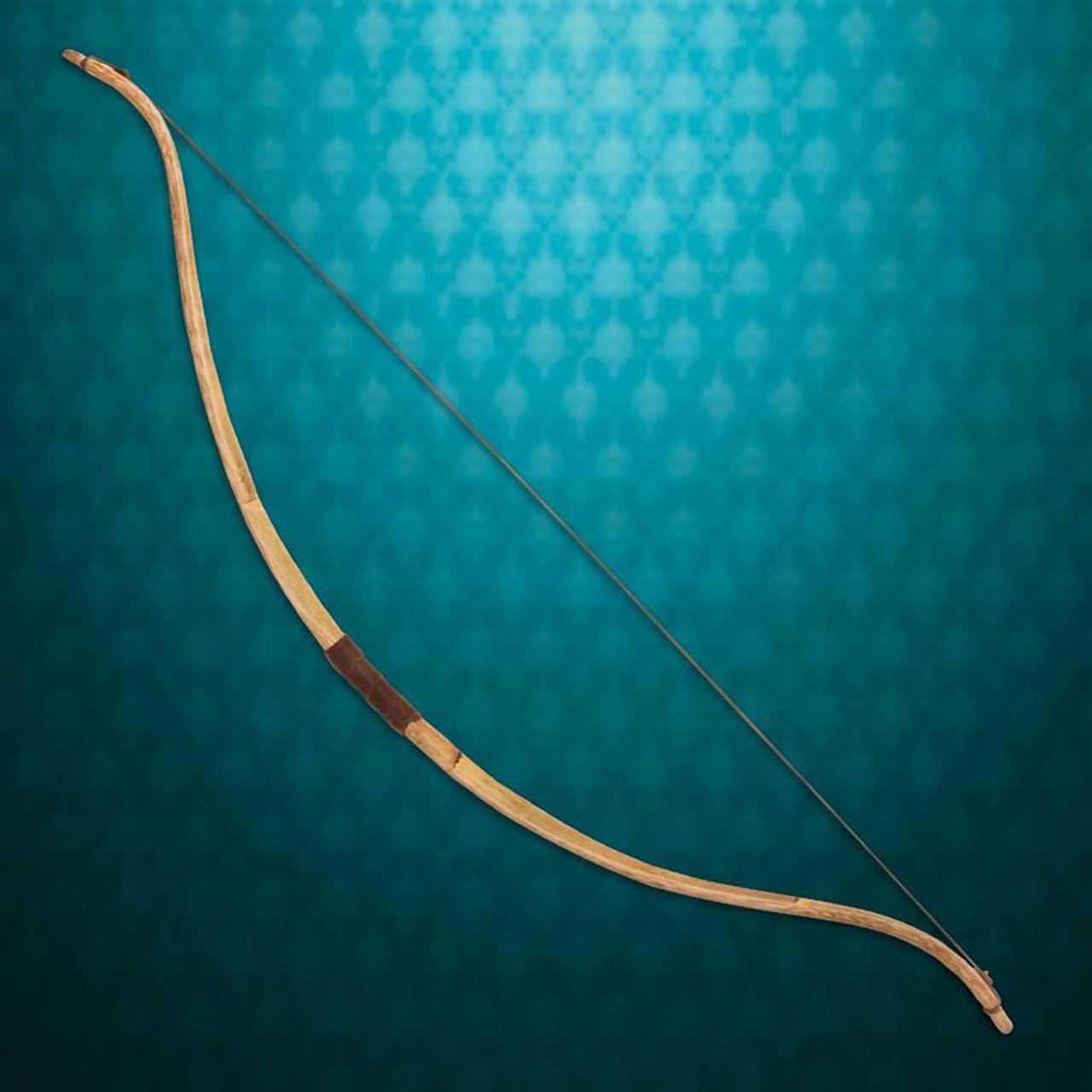
Although bows and arrows are frequently associated with medieval warfare, their storage was a critical logistical concern rather than a marginal detail. Armories often contained:
- Longbows & Short Bows
- Arrows and Arrowheads
- Crossbows and Crossbow Bolts
English armories, for example, noted quantities of longbows and bolts stored for militia training and deployment, indicating formal stockpiling.
By the late Middle Ages, >gunpowder weapons and artillery> began to appear in armouries, including primitive hand cannons, bombards, and early firearms such as hagbuts and demi-hackbuts. These were stored alongside traditional arms as European warfare entered the gunpowder age.
Shields, Defensive Gear, and Accessories
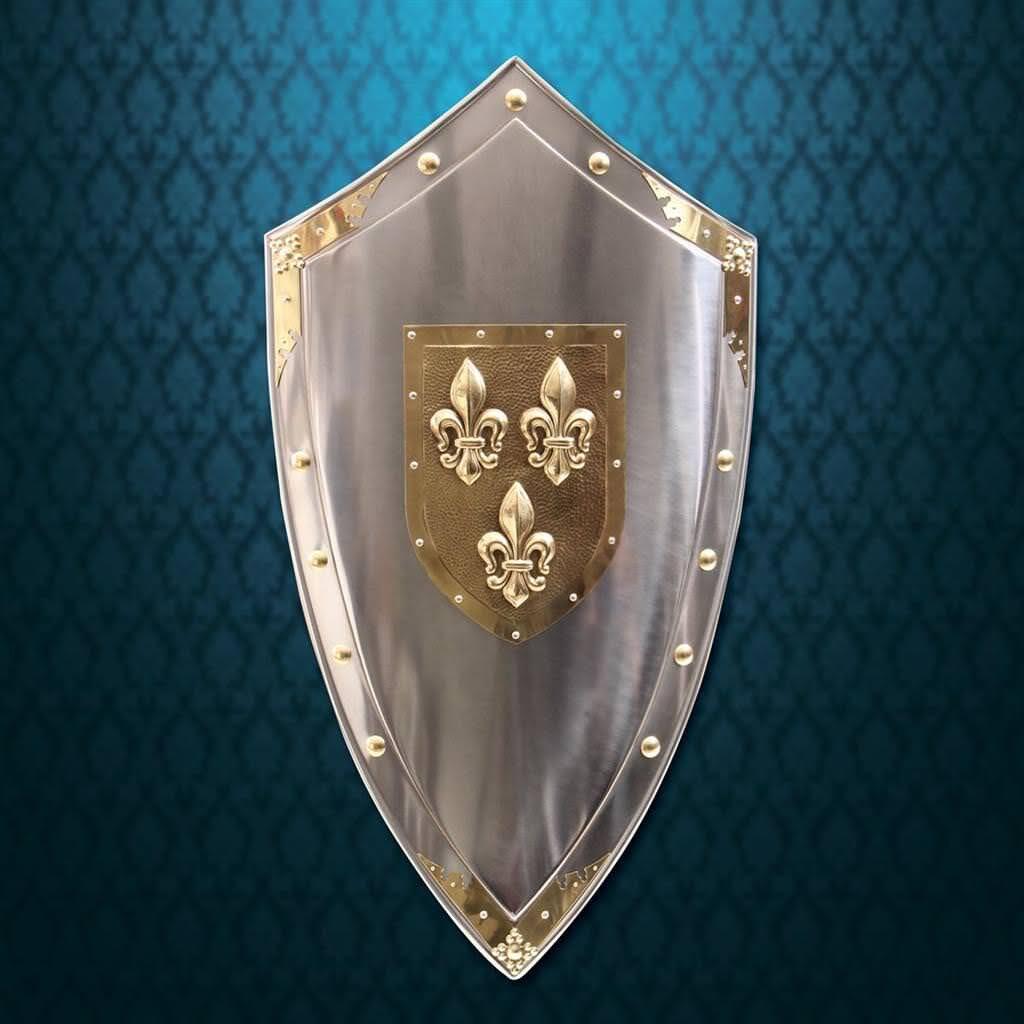
A castle or city armory was also a repository for defensive gear essential to prolonged sieges or pitched battles. These included:
- Shields – from kite shields to round bucklers
- Pavises - large defensive shields used by crossbowmen
- Polearm fittings and spare shafts
- Armour fittings and repair tools
- Leather, padding, and cloth gambesons
These items were often catalogued in meticulous inventories, especially by monarchs who maintained royal armories.
Siege Tools and Ordnance
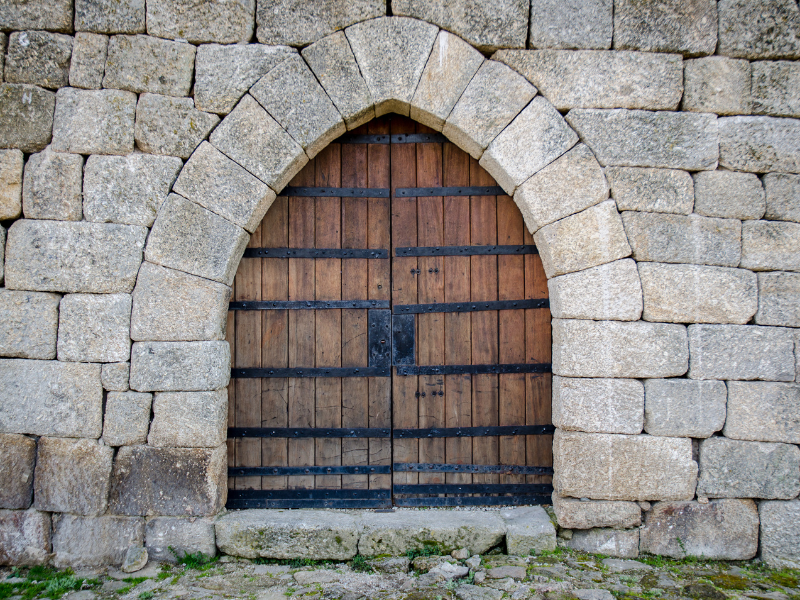
Armories weren’t limited to hand weapons and armor. Those associated with major fortifications or royal arsenals included siege and defensive equipment:
- Ballista and catapult components
- Pallets and hooks for scaling or grappling
- Buckets, rope, and tools for defensive construction
- Projectile stores, such as stones or fire pots
While not always part of every armory, in strategic locations, these were as vital as swords and helmets for wartime readiness.
Inventory and Logistics: What Survives in Records
One of the best windows into the contents of actual medieval armories comes from armory inventories, such as those kept in the Tower of London or in royal armouries across Europe. These detailed lists, especially from the 14th and 15th centuries, show a staggering variety of arms and armor: hundreds of helmets, pairs of plate pieces, polearms, bows, and even artillery shot and powder stores.
These inventories confirm that a medieval armoury was more like a military supply depot than a simple room of swords.

Why This Matters: Medieval Warfare Was Complex
Medieval warfare wasn’t fought with swords alone. It was a complex interplay of weapon types, defensive gear, logistics, and evolving technology. Soldiers and nobles relied on polearms, ranged weapons, protective armor, and siege equipment, all of which had to be stored, maintained, and distributed from armory centers.
Armories reflected this complexity, holding everything from simple iron spears and leather shields to bows, harnesses, and early firearms.
Conclusion: A Medieval Armory Was an Arsenal, Not a Display Case
The next time you picture a medieval armory, imagine a storeroom brimming with spears and shafts, stacks of helmets and greaves, dozens of polearms, bows and arrows, siege gear, and even early gunpowder weapons, alongside the ever-present swords and shields. These were the tools that armies and fortresses relied on—not just symbols of knightly combat but practical instruments of war, defense, and readiness.
By understanding what armories actually contained, we gain a richer picture of medieval warfare, logistics, and the material culture that supported both common and noble warriors.