


Maces: Authority and Fear
Jan 18th 2025
Introduction
Few weapons can strike both fear and respect into the hearts of men as effectively as the mace did at its peak as a weapon of choice. This ancient weapon, simple yet devastating, has wielded significant influence throughout history. Maces symbolize both martial prowess and authority, often carried by those who held power in societies from the Medieval to the modern era. As both a tool of war and a ceremonial item, the mace's dual nature has cemented its place in the annals of history.
Historical Overview

Origins
The mace's origins trace back to very early times, with some of the earliest examples made from stone found in archaeological sites dating back before the Middle Ages. Initially, these blunt instruments were used for hunting and combat. The development of metallurgy during the Bronze Age led to the creation of more sophisticated maces crafted from metals like bronze and later iron. This evolution marked a significant shift in warfare, as the mace became a favored weapon for its ability to deliver crushing blows capable of breaching armor.
Cultural Impact
In Medieval Europe, the mace became a potent symbol of authority and nobility. Knights and royal guards commonly wielded it, and it served as a visual indicator of power. Maces were not solely for combat but also significant in ceremonial contexts. They were often used in coronations, judicial proceedings, and royal processions. The presence of a mace in such events signified the might and governance of the individual bearing it, reinforcing social hierarchies.
Notable Uses
Throughout history, maces have played critical roles in various notable events. For instance, during the Hundred Years' War, they were prevalent on battlefields, where knights effectively used them against armored foes. Historical figures like Richard the Lionheart are often depicted with maces, symbolizing their dual role as military leaders and embodiments of royal authority. The mace's presence in these contexts illustrates its significance as a weapon and a symbol of power.
Design and Characteristics
Description
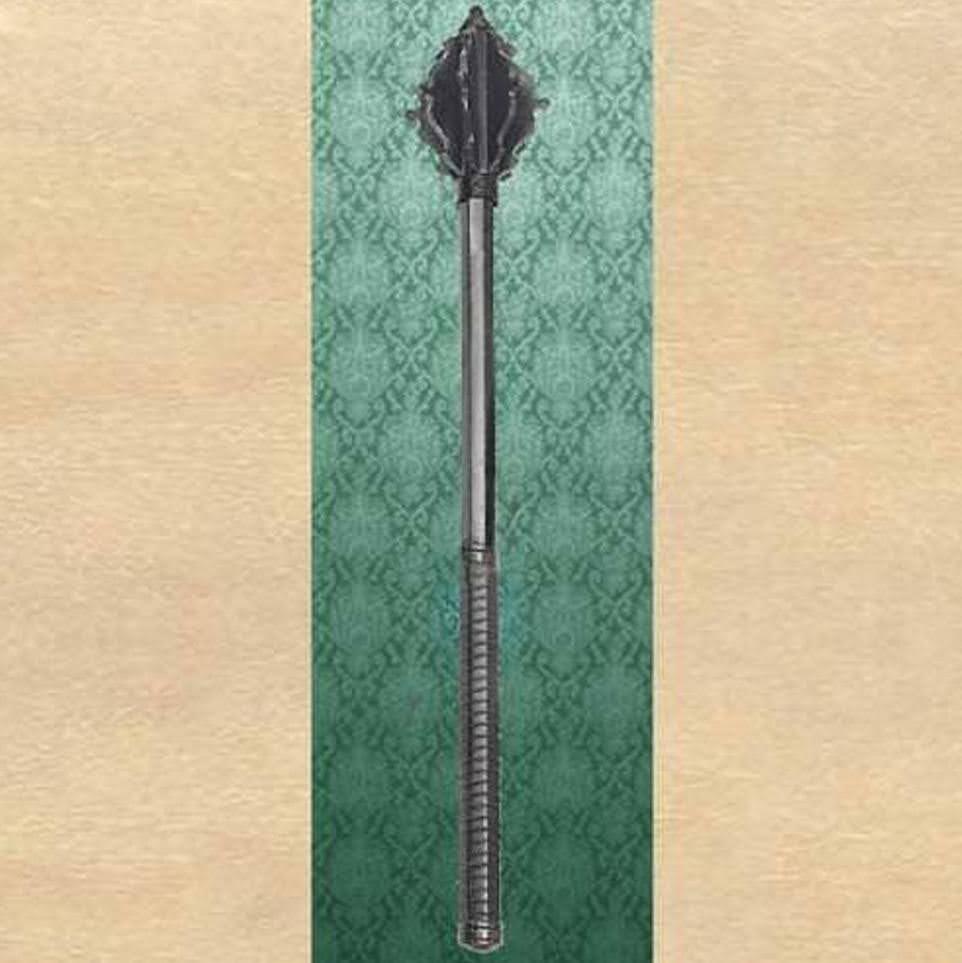
Maces are characterized by a heavy head mounted on a sturdy shaft, typically 3 to 4 feet long. The head can take various forms: spherical, flanged, or spiked, each designed to deliver maximum impact. The mace’s weight allows devastating strikes, making it a favored choice in close combat situations.
Material and Craftsmanship
Early maces were crafted from readily available materials such as stone or wood. As metallurgy advanced, maces began incorporating metals, allowing for intricate designs and excellent durability. Skilled artisans and blacksmiths created maces as weapons and works of art. Many maces featured engravings, inlays, and motifs that reflected the social status of their owners, often incorporating elements from religious or royal iconography.
Variations
Maces come in various forms, each designed for specific uses. With its protrusions, the flanged mace was particularly effective against armored opponents, while the morning star, with spikes protruding from its head, added lethality to its strikes. Other variations include the ceremonial mace, which is used in official capacities rather than battle and often features ornate designs reflecting its symbolic importance. Each variation underscores the versatility of the mace as both a practical weapon and a status symbol.
Functionality and Usage

Primary Use
The mace's primary purpose was combat, and it was designed explicitly to deliver powerful, blunt-force trauma. Its effectiveness against armored foes made it a staple on battlefields where knights and infantry clashed. Maces were also used in duels and as personal defense, especially by those who valued strength over finesse.
Techniques
Using a mace required strength and skill. Combat techniques included overhead swings aimed at the opponent’s head or shoulders and thrusting motions directed at vulnerable points in armor. Warriors were trained to exploit the mace's weight to generate momentum, delivering strikes that could incapacitate or kill. The mace's short range necessitated close-quarter combat, making it ideal for the chaotic environments of medieval battles.
Advantages and Disadvantages
Advantages:
- Effective against armored opponents: Blunt force causes concussive and devastating injuries, even with armor.
- Simple design: Easy to manufacture and use.
Disadvantages:
- Less effective in agile combat: Not ideal for scenarios requiring speed and reach.
- Requires physical strength: Limits use among those lacking sufficient strength.
Cultural and Symbolic Significance
Symbolism
The mace embodies authority, often associated with judges, kings, and ceremonial leaders. Across various cultures, it represents justice, protection, and governance. In many instances, bearing a mace signals a commitment to law and order, with the weapon serving as a physical manifestation of the individual's power and responsibility.
Cultural Legacy
Today, the mace remains a potent symbol in ceremonial and cultural contexts. It is prominently featured in state ceremonies, academic graduations, and formal events, reinforcing its historical significance. Modern societies view the mace as representing authority, power, and justice, underscoring its lasting legacy.
Modern Relevance

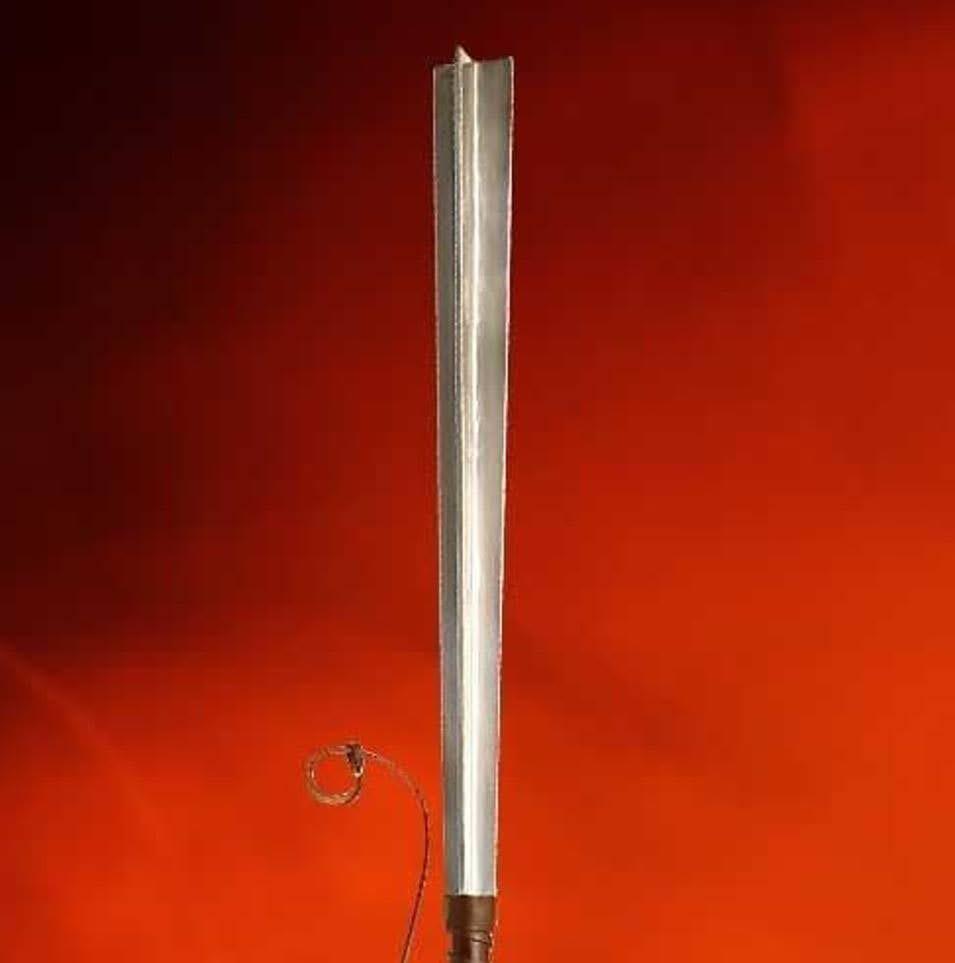
Mace of Sauron Red Eye Edition
Collecting
Maces have become sought-after items among collectors and historians. Their historical significance and artistic craftsmanship make them valuable additions to collections focused on medieval weaponry and artifacts. Restorers often work diligently to preserve these pieces, maintaining their condition while highlighting their historical context.
Recreational Use
In contemporary society, maces are featured in various recreational activities, such as historical reenactments and medieval festivals. Enthusiasts engage in mock battles to experience the weight and handling of maces firsthand. Additionally, some martial arts disciplines incorporate techniques that reflect the mace’s combat principles, emphasizing strength and control.
Pop Culture
Maces appear in films, video games, and literature, often depicted as weapons of choice for powerful characters. In fantasy, maces are commonly associated with warriors, kings, and sorcerers, reinforcing their ties to authority and strength. Perhaps the most well-known mace is the Mace of Sauron from The Lord of the Rings. Popular media has helped to keep the mace relevant in modern culture, ensuring that its symbolic power endures.
Conclusion
With their rich history and cultural significance, maces continue to fascinate us today. They remind us of the past when authority was often wielded with brute force. The evolution of the mace from a primitive weapon to a symbol of power reflects broader societal changes throughout history.
As we explore this weapon’s legacy, we should reflect on the relationship between power, fear, and respect in our societies. The mace remains an enduring symbol of authority, demonstrating how the past influences contemporary views on power and governance.
Want to add a mace to your collection? Head to our website to learn more about what we offer!